Mastering Your Mind: A Practical Guide to Overcoming Anxiety, Fear, and Sadness
Introduction
Anxiety, fear, and sadness are universal emotions that shape the human experience. They exist for a reason, helping us recognize danger, respond to challenges, and recover from loss.

Yet when these emotions become persistent, they can limit our confidence, strain relationships, and prevent us from enjoying life. The good news is that they do not have to define us. By understanding how these emotions develop and learning healthier ways to respond, we can build resilience, regain emotional balance, and create a more meaningful life.
Understanding the Nature of Anxiety, Fear, and Sadness
Although these emotions often overlap, each serves a distinct purpose.

Anxiety: Living in the Future
Anxiety is rooted in uncertainty. It arises when the mind anticipates possible problems rather than responding to present realities. Thoughts such as “What if I fail?” or “What if something goes wrong?” trigger a cycle of worry that keeps the brain focused on potential threats.
Occasional anxiety can encourage preparation and careful decision-making. However, chronic anxiety keeps the nervous system constantly alert, often causing rapid heartbeat, muscle tension, poor sleep, digestive discomfort, and difficulty concentrating. Much of its power comes from trying to control situations that cannot be fully predicted.
Fear: The Brain’s Survival Response
Fear is different because it reacts to immediate danger. When the brain detects a threat, it instantly activates the fight-or-flight response. Stress hormones such as adrenaline and cortisol increase heart rate, sharpen attention, and prepare the body for quick action.
This response is essential for survival, but modern life often triggers it during situations that are not physically dangerous. Speaking in public, attending interviews, or meeting new people can produce the same biological reaction as genuine emergencies, making harmless situations feel overwhelming.
Sadness: Healing Through Acceptance
Sadness usually follows disappointment, change, or loss. Rather than pushing us to act quickly, it encourages us to slow down, reflect, and process difficult experiences. Although painful, sadness plays an important role in emotional recovery.
Temporary sadness is a healthy response to life’s challenges. However, when feelings of hopelessness persist for an extended period and begin interfering with daily life, professional support may be beneficial.
How the Mind and Body Shape Emotions
Our emotional experiences result from continuous interaction between thoughts, the brain, and the body.

Thoughts Create Emotional Reactions
Events alone rarely determine how we feel. Instead, our interpretation of those events shapes our emotions. Two people may face the same challenge yet experience completely different emotional responses because each views the situation through a unique perspective influenced by past experiences and personal beliefs.
Negative thinking patterns often exaggerate uncertainty, convincing us that unlikely outcomes are inevitable. Over time, these automatic interpretations reinforce anxiety and fear.
The Brain’s Alarm System
The amygdala serves as the brain’s early warning center. When it detects possible danger, it signals the hypothalamus to activate the body’s stress response. Hormones prepare us to react by increasing energy, sharpening focus, and accelerating breathing and heart rate.
Although this system protects us during genuine emergencies, constant activation places significant strain on both physical and mental health. Prolonged stress may contribute to fatigue, weakened immunity, sleep disturbances, irritability, and emotional exhaustion.
The Hidden Influence of the Subconscious
Many emotional reactions occur automatically because they are shaped by subconscious beliefs developed over many years. Childhood experiences, repeated failures, family expectations, and cultural influences all contribute to mental patterns that continue operating beneath conscious awareness.
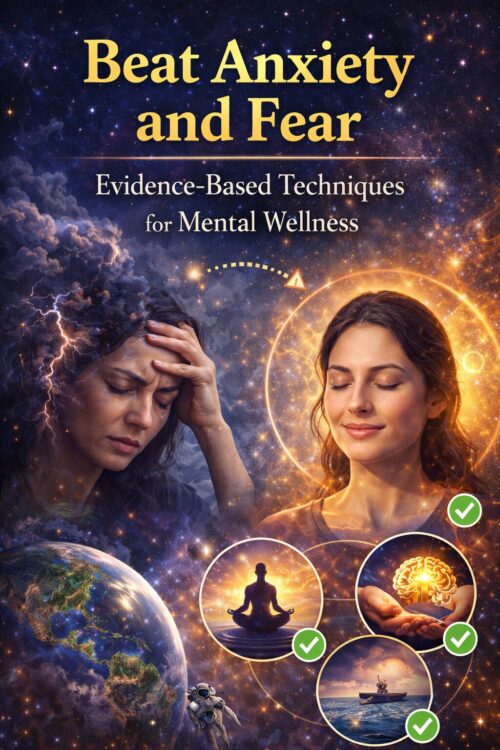
If someone repeatedly experienced criticism while growing up, for example, they may unconsciously associate mistakes with rejection. As adults, even minor setbacks can trigger intense anxiety despite little objective risk.
Recognizing these hidden patterns is the first step toward changing them.