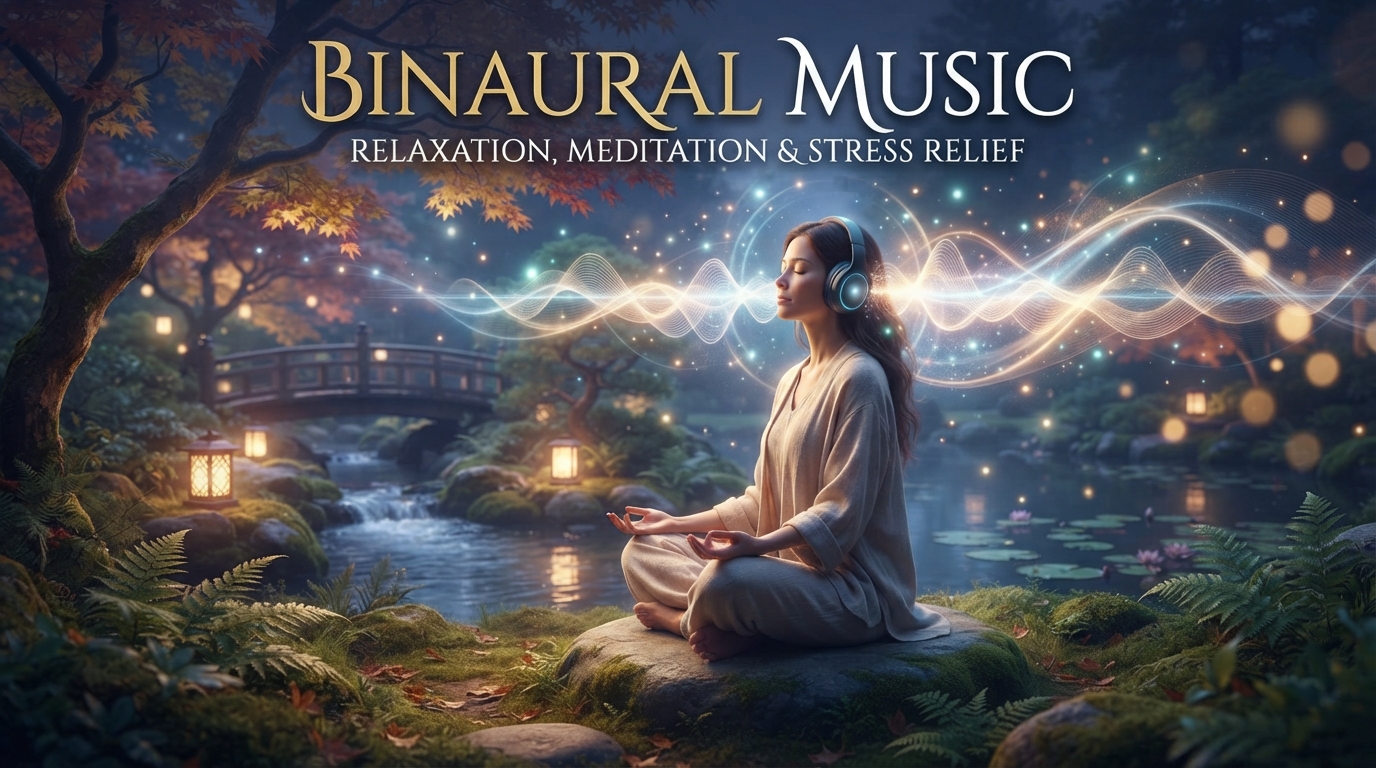
Binaural Beats and Meditation: A Complete Guide to Enhancing Relaxation, Focus, and Mental Well-Being
Introduction
Modern life rarely gives the mind an opportunity to slow down. Endless notifications, demanding schedules, and constant information overload can leave us mentally exhausted and emotionally drained. As a result, more people are searching for effective techniques that support relaxation, sharpen concentration, and improve overall well-being.

Among the growing number of mindfulness tools, binaural beats combined with meditation have attracted significant attention from both researchers and wellness practitioners. Rather than relying solely on willpower to calm the mind, binaural beats may help encourage the brain to enter naturally relaxed states through carefully designed sound frequencies.
When paired with meditation, these audio frequencies can create an environment that supports deeper relaxation, improved focus, emotional balance, and better sleep quality. This guide explores the science behind binaural beats, explains how they complement meditation, and offers practical advice for incorporating them into a healthy daily routine.
1. Understanding Binaural Beats and Brainwave Entrainment
Binaural beats are based on an interesting auditory phenomenon first described by physicist Heinrich Wilhelm Dove in 1839. When each ear receives a slightly different sound frequency through stereo headphones, the brain perceives a third rhythmic pulse equal to the difference between the two frequencies.
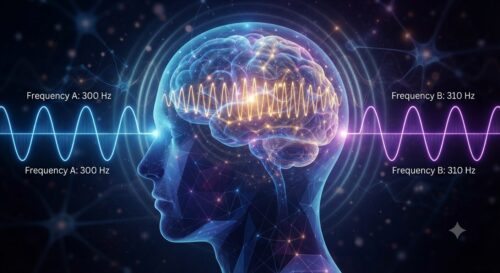
Researchers refer to this process as brainwave entrainment, where external rhythmic stimulation may encourage the brain to synchronize with a particular frequency range.
Although binaural beats are not a miracle solution, numerous studies suggest they may help support relaxation, attention, mood regulation, and sleep when used consistently alongside healthy lifestyle habits.
Brainwave States and Their Functions
The human brain naturally shifts between several brainwave patterns throughout the day.
Delta Waves (0.5–4 Hz)
Delta waves dominate during deep, dreamless sleep. This stage plays a vital role in physical recovery, hormone regulation, and tissue repair. Binaural beats in the delta range are commonly used before bedtime to promote relaxation and prepare the body for restorative sleep.
Theta Waves (4–8 Hz)
Theta activity is associated with deep meditation, vivid imagination, memory processing, and creative thinking. Many experienced meditators naturally spend more time in this frequency range, making theta beats popular among those seeking deeper meditation sessions.
Alpha Waves (8–13 Hz)
Alpha waves represent a calm but alert mental state. They often appear during light meditation, quiet reflection, or peaceful concentration. Listening to alpha frequencies may help reduce mental tension while maintaining clear awareness.
Beta Waves (13–30 Hz)
Beta waves dominate normal waking consciousness. They support analytical thinking, decision-making, and problem-solving but may also become elevated during periods of stress or anxiety.
Gamma Waves (30 Hz and Above)
Gamma waves are linked with complex information processing, heightened awareness, learning, and cognitive integration. Scientists continue exploring their role in attention, memory, and advanced mental performance.
Why Stereo Headphones Matter
Binaural beats require each ear to receive separate frequencies independently. Stereo headphones allow the brain to detect the subtle difference between the tones and generate the perceived binaural beat internally. Without headphones, this effect cannot occur properly because the sound waves mix before reaching the ears.
Brainwave States
| Brainwave | Frequency Range | Associated Mental State | Common Uses |
|---|---|---|---|
| Delta | 0.5–4 Hz | Deep, dreamless sleep | Sleep support, physical recovery, relaxation |
| Theta | 4–8 Hz | Deep meditation, creativity, intuition | Meditation, visualization, emotional healing |
| Alpha | 8–13 Hz | Calm awareness, relaxed focus | Stress reduction, mindfulness, studying |
| Beta | 13–30 Hz | Alertness, active thinking | Problem-solving, concentration, productivity |
| Gamma | 30 Hz+ | Peak cognitive performance | Learning, memory, complex information processing |
2. Meditation: Training the Mind for Greater Awareness
Meditation has been practiced for thousands of years across many cultures as a method for cultivating inner calm and mental clarity.

Contrary to popular belief, meditation is not about eliminating thoughts altogether. Instead, it teaches the practitioner to observe thoughts without becoming overwhelmed by them.
Over time, this skill strengthens emotional resilience and encourages a healthier relationship with everyday challenges.
Learning to Observe Without Judgment
During meditation, thoughts naturally arise. Rather than resisting them, practitioners simply acknowledge each thought before gently returning attention to a chosen focus, such as breathing, a mantra, or ambient sound.
This repeated process gradually improves mindfulness while reducing automatic emotional reactions.
Evidence-Based Benefits of Meditation
Scientific research has identified numerous benefits associated with regular meditation practice.
Lower Stress Levels
Meditation may help reduce activity within the body’s stress response while encouraging greater emotional stability. Many individuals report feeling calmer and more balanced after consistent practice.
Improved Concentration
Training attention strengthens the brain’s ability to maintain focus for extended periods. This may improve productivity, learning, and decision-making.
Better Emotional Regulation
Mindfulness encourages awareness of emotional patterns, making it easier to respond thoughtfully instead of reacting impulsively during stressful situations.
Enhanced Sleep Quality
Relaxing both the mind and body before bedtime can support healthier sleep habits and improve overall sleep quality.
Meditation and Brain Plasticity
Modern brain imaging studies suggest that long-term meditation practice may influence brain structure and function.
Researchers have observed changes in regions involved in attention, learning, memory, and emotional regulation, demonstrating the remarkable adaptability of the human brain throughout life.
3. Why Binaural Beats and Meditation Work So Well Together
Meditation and binaural beats each offer unique benefits independently, but together they may create an even more supportive environment for relaxation and focused awareness.
Rather than replacing meditation, binaural beats can serve as an aid that helps many beginners settle into practice more comfortably.

Entering Relaxation More Easily
One common challenge for new meditators is calming an active mind. Binaural beats may provide gentle auditory guidance that encourages the brain toward slower wave patterns associated with relaxation.
Many users find it easier to maintain meditation when external sounds help establish a peaceful rhythm.
Supporting Visualization and Personal Growth
Theta brainwave activity is often associated with imagination and reflective thinking. During these deeply relaxed moments, practices such as visualization, gratitude, and positive affirmations may feel more immersive and emotionally meaningful.
While scientific evidence regarding manifestation remains limited, visualization techniques are widely used in sports psychology, coaching, and personal development to reinforce motivation and goal-oriented thinking.
The Power of Conscious Breathing
Slow diaphragmatic breathing naturally activates the parasympathetic nervous system—the body’s primary relaxation mechanism.
Breathing deeply while listening to binaural beats creates a complementary effect:
- Heart rate gradually slows.
- Muscle tension decreases.
- Mental chatter becomes quieter.
- Relaxation deepens naturally.
Together, breathing, meditation, and sound create a calming routine that supports both physical and mental recovery.
4. How to Practice Meditation with Binaural Beats
Starting a binaural meditation routine requires very little equipment and can easily become part of a healthy daily schedule.
Select the Appropriate Frequency
Choose audio designed for your specific intention.
- Delta: Deep sleep and nighttime relaxation
- Theta: Meditation, creativity, and self-reflection
- Alpha: Stress reduction and calm concentration
- Beta: Focused work and alert thinking
- Gamma: Intensive learning and cognitive engagement
Build a Consistent Habit
Short sessions practiced regularly often produce better long-term results than occasional lengthy sessions.
Many beginners benefit from practicing for 10–20 minutes once or twice daily, preferably in a quiet environment where interruptions are unlikely.
Create a Comfortable Space
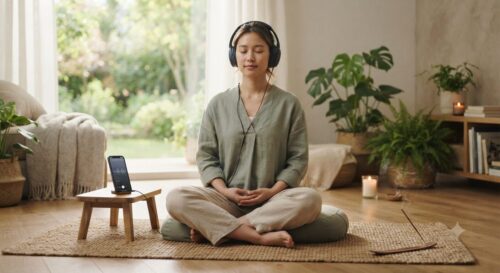
Sit comfortably in a chair or on a meditation cushion, or lie down if your goal is relaxation or sleep. Dim lighting and minimal distractions can help improve concentration.
Put on stereo headphones, close your eyes, and allow yourself to settle naturally into the experience.
Focus on Gentle Breathing
Begin by taking slow, controlled breaths.
Notice your abdomen expanding during each inhale and relaxing during each exhale. If your attention drifts, calmly return your focus to your breathing or the rhythmic sounds.
Remember that wandering thoughts are completely normal. Each gentle return to the present moment strengthens mindfulness over time.
Conclusion
Binaural beats and meditation offer a practical combination for anyone seeking greater relaxation, improved concentration, and enhanced emotional well-being. While binaural beats are not a substitute for medical treatment or a guaranteed shortcut to deep meditation, growing research suggests they can be a valuable companion to a consistent mindfulness practice.
By understanding how different brainwave frequencies relate to various mental states and combining this knowledge with meditation and mindful breathing, you can create a simple daily ritual that supports both mental clarity and inner calm.
Whether your goal is reducing stress, sleeping more peacefully, improving focus, or simply creating moments of stillness amid a busy lifestyle, regular practice can gradually strengthen your ability to navigate life with greater balance, resilience, and awareness. Every meditation session is an opportunity to reconnect with yourself—and sometimes, that journey begins with a single breath and a single beat.
| Goal | Recommended Brainwave | Suggested Meditation Practice |
|---|---|---|
| Reduce stress | Alpha (8–13 Hz) | Mindful breathing or body scan meditation |
| Deep meditation | Theta (4–8 Hz) | Silent meditation, visualization, mantra practice |
| Improve focus | Beta (13–30 Hz) | Focused attention meditation before work or study |
| Better sleep | Delta (0.5–4 Hz) | Evening relaxation or guided sleep meditation |
| Enhance creativity | Theta or Gamma | Visualization, journaling, creative reflection |