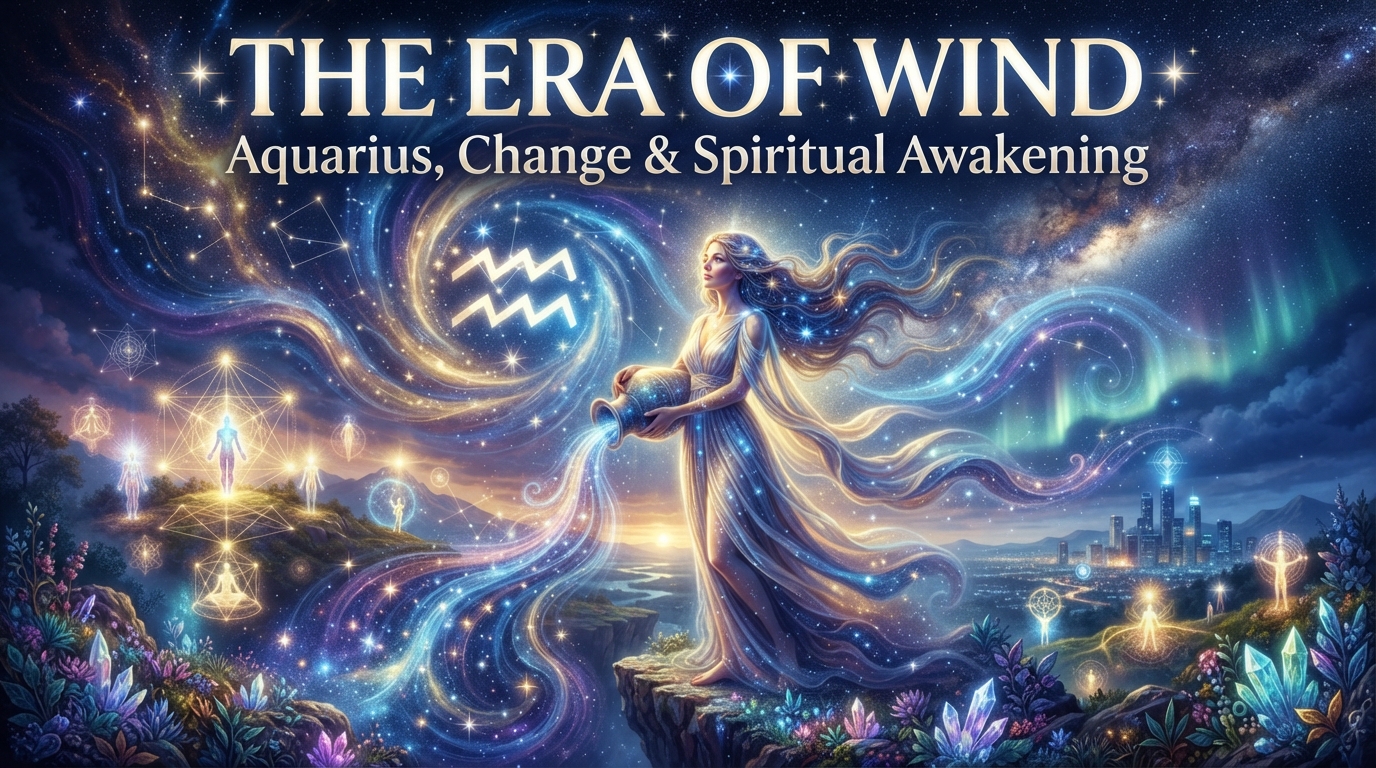
The Era of Wind: Embracing a New Age of Consciousness, Compassion, and Meaningful Living
Introduction
Humanity is entering a period of remarkable transformation. Across the world, many people are beginning to question long-held beliefs about success, happiness, and the purpose of life.
Rather than focusing solely on material achievements or personal competition, there is an increasing desire to cultivate inner peace, authentic relationships, and a deeper sense of purpose. This emerging shift is often described as the Era of Wind—a symbolic expression of fresh energy, expanding awareness, and the movement toward a more compassionate world.
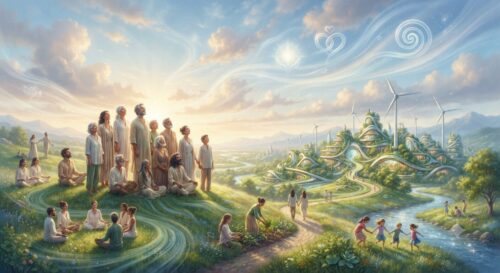
Like the wind itself, this transformation cannot always be seen, yet its influence can be felt everywhere. It encourages openness, flexibility, and continuous growth while inspiring individuals to look beyond external rewards and discover lasting fulfillment within themselves. As society evolves, values such as empathy, cooperation, and spiritual awareness are becoming increasingly significant.
This article explores the defining characteristics of the Era of Wind, examining how this new perspective is reshaping personal development, relationships, work, and our collective future. By understanding these changes, we can better prepare ourselves to thrive in a world guided by greater consciousness and shared purpose.
1. A New Definition of Success: Moving Beyond Material Achievement
For generations, success was largely measured through wealth, status, career accomplishments, and visible possessions.
While these achievements still hold value, many people are realizing that they alone cannot provide lasting happiness.

Discovering Fulfillment from Within
The Era of Wind encourages a broader understanding of success. Instead of asking, “What do I own?” people increasingly ask, “How fulfilled am I?” and “Am I living in alignment with my values?”
Inner peace, meaningful relationships, emotional well-being, and personal integrity are becoming the new indicators of a successful life. Individuals are recognizing that fulfillment grows through purpose rather than possessions and through authentic experiences rather than external recognition.
As priorities shift inward, people often feel motivated to simplify their lives, reduce unnecessary stress, and focus on what genuinely nourishes their minds and hearts.
Leading with Compassion
Another defining feature of this new era is the growing appreciation for compassion as a strength rather than a weakness.
Qualities such as kindness, patience, empathy, generosity, and understanding are increasingly valued in families, workplaces, and communities. Rather than pursuing achievement at any cost, people are learning that true leadership includes uplifting others while continuing their own growth.
Ambition remains important, but it becomes balanced by responsibility, cooperation, and respect for collective well-being.
Exploring the Inner Landscape
The Era of Wind also inspires deeper self-awareness.
Practices including meditation, mindfulness, journaling, breathwork, and quiet reflection are becoming valuable tools for maintaining emotional balance. These habits allow individuals to better understand their thoughts, emotional patterns, and limiting beliefs.
Instead of seeking constant validation from the outside world, many are discovering greater confidence through self-acceptance and continuous inner development.
This personal transformation serves as the foundation for creating healthier relationships and stronger communities.
| Traditional Mindset | The Era of Wind Mindset |
|---|---|
| Success is measured by wealth and status. | Success is measured by purpose, fulfillment, and inner peace. |
| Competition is prioritized. | Cooperation and mutual growth are encouraged. |
| Material possessions define achievement. | Personal growth and meaningful experiences define achievement. |
| Logic is valued above emotions. | Emotional intelligence and empathy are essential strengths. |
| Work is primarily a source of income. | Work is an opportunity to contribute and express one’s purpose. |
| Personal gain comes first. | Collective well-being benefits everyone. |
| Change is often resisted. | Change is embraced as a catalyst for growth. |
| External validation determines self-worth. | Self-awareness and authenticity create lasting confidence. |
| Communities are based on convenience. | Communities are built on trust, shared values, and support. |
| Happiness is sought externally. | Happiness is cultivated from within. |
2. Love, Contribution, and the Growth of Collective Consciousness
Although personal growth is important, the Era of Wind emphasizes that human fulfillment is deeply connected to the well-being of others.
People increasingly recognize that lasting happiness is created through meaningful contribution rather than isolated achievement.
Finding Purpose Through Meaningful Work
Modern ideas about work are changing dramatically.
Many individuals no longer view their careers solely as a source of income. Instead, they seek occupations that reflect their personal values and allow them to make a positive difference.
Purpose-driven work can appear in countless forms—from teaching and healthcare to entrepreneurship, creative arts, environmental protection, or simply bringing compassion into everyday interactions.
The emphasis is shifting from asking, “How much can I earn?” to asking, “How can my work improve the lives of others while allowing me to grow?”
This mindset encourages both personal satisfaction and greater social impact.
Emotional Intelligence as an Essential Skill
As society becomes more interconnected, emotional intelligence is gaining unprecedented importance.
Understanding one’s own emotions, communicating with clarity, managing conflict respectfully, and showing genuine empathy help strengthen every aspect of life.
Individuals who cultivate emotional intelligence often become effective collaborators because they create trust, encourage cooperation, and support healthy communication.
Rather than reacting impulsively, they learn to respond thoughtfully and compassionately, creating environments where others feel respected and understood.
Building Authentic Communities
The Era of Wind also redefines the meaning of community.
People increasingly seek relationships built upon honesty, trust, encouragement, and shared values rather than convenience or superficial interaction.
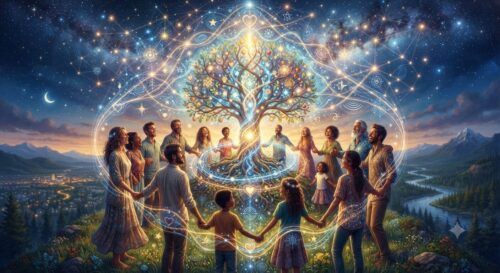
Whether through families, friendships, local organizations, or online communities, individuals are discovering the importance of mutual support and collective growth.
As these authentic connections deepen, communities become stronger, more resilient, and better equipped to navigate life’s challenges together.
3. Flowing with Change: Conscious Creation and Personal Evolution
One of the defining characteristics of the Era of Wind is constant transformation.
Change is no longer viewed simply as disruption but as an invitation to evolve.

The Influence of Conscious Thought
Many spiritual traditions suggest that thoughts, beliefs, and emotions influence the quality of our experiences.
Whether interpreted through the concept often called the Law of Attraction or viewed simply as the psychological impact of mindset, maintaining constructive thoughts can shape our decisions, behaviors, and opportunities.
A hopeful perspective encourages proactive choices, resilience, and openness to possibility, while persistent negativity may limit personal growth.
The Era of Wind encourages individuals to become active participants in shaping their future by cultivating optimism, gratitude, and intentional action.
Accepting the Natural Rhythm of Transformation
Every period of growth requires letting go of something familiar.
Old habits, outdated beliefs, limiting fears, and rigid expectations may gradually fall away to make room for new opportunities and expanded understanding.
Although change can feel uncomfortable, resisting it often creates greater stress than accepting it.
Like the wind, life continues to move forward. Learning to adapt with flexibility allows people to navigate uncertainty with greater confidence and peace.
Rather than fearing transformation, individuals can view it as an essential part of their personal journey.
A Lifelong Journey of Spiritual Growth
Interest in spirituality continues to grow as more people search for meaning beyond material success.
Some explore meditation, philosophy, mindfulness, energy practices, religious traditions, or contemplative study. Others simply become more intentional about living with gratitude and compassion.
Regardless of the path chosen, the common goal remains the same: developing greater self-awareness and living with authenticity.
As individuals become more conscious of themselves, they naturally influence society through their actions, encouraging kindness, fairness, and understanding in everyday life.
4. Looking Ahead: Creating the Future Together
The Era of Wind represents far more than a cultural trend—it symbolizes an ongoing evolution of human consciousness.
It invites people to redefine success through inner fulfillment, strengthen relationships through compassion, embrace meaningful contribution, and welcome change as an opportunity for growth.
Every thoughtful decision, every act of kindness, and every moment of self-reflection contributes to building a more harmonious future.
Rather than waiting for the world to transform on its own, each individual has the opportunity to become part of that transformation.
By nurturing emotional well-being, remaining open to learning, and supporting those around us, we help create communities grounded in trust, cooperation, and shared purpose.
The future is not predetermined. It is shaped by countless everyday choices made by individuals across the globe.
As we move forward into the Era of Wind, may we do so with courage, compassion, wisdom, and an open heart—embracing the unseen currents of positive change while helping create a world filled with greater peace, purpose, and hope for generations to come.