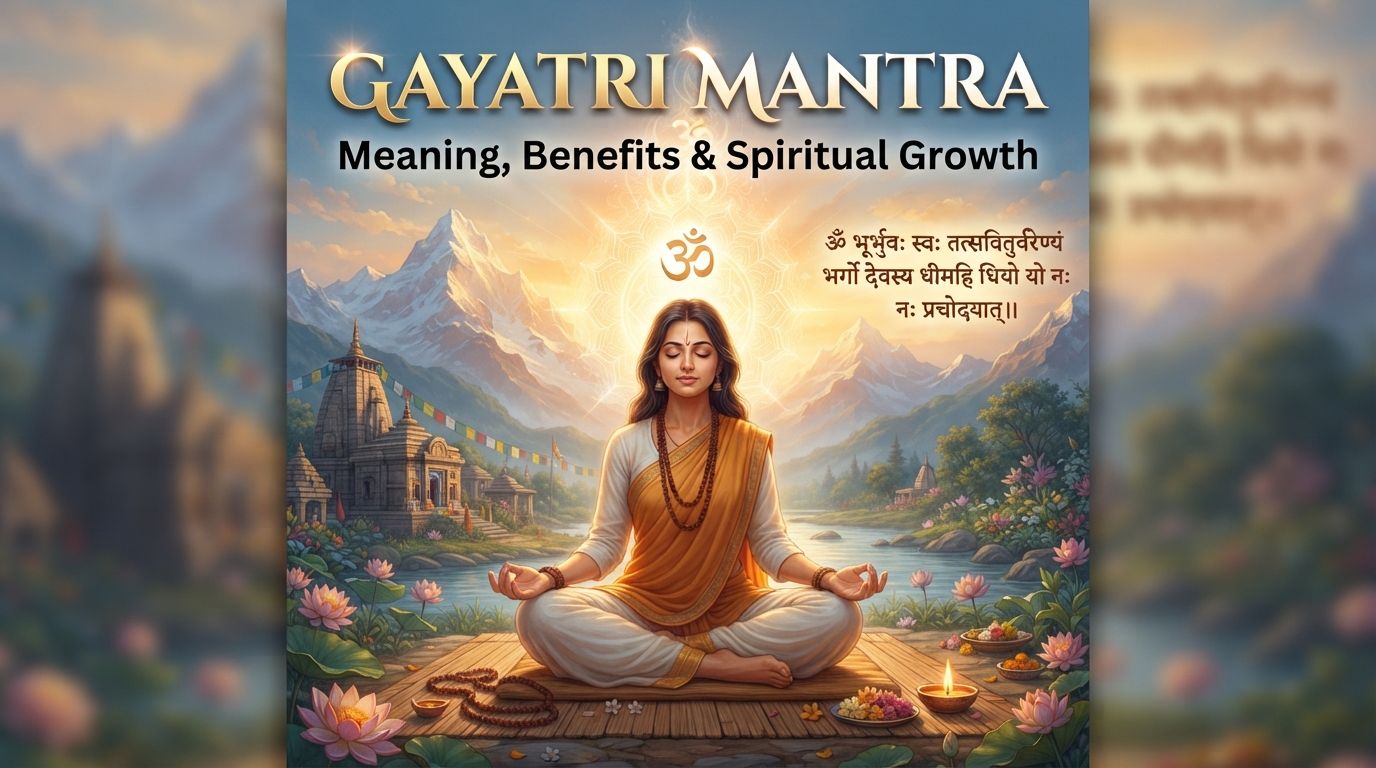
The Ultimate Guide to the Gayatri Mantra: Discover Inner Wisdom, Spiritual Growth, and Lasting Peace
Introduction
Among the world’s oldest spiritual treasures, the Gayatri Mantra has remained a timeless source of inspiration for countless seekers. Originating in the ancient Vedic tradition, this sacred mantra is much more than a religious verse—it is a profound prayer for wisdom, clarity, and the awakening of higher consciousness.
People from diverse cultures and beliefs are drawn to the Gayatri Mantra because its message extends beyond religious boundaries.

Rather than asking for wealth or personal gain, it encourages the cultivation of wisdom, compassion, and inner illumination. For thousands of years, practitioners have recited these sacred words to quiet the mind, deepen meditation, strengthen intuition, and reconnect with their highest potential.
This guide explores the meaning of the Gayatri Mantra, its spiritual significance, its potential benefits for everyday life, and practical ways to incorporate it into your daily routine.
1. Understanding the Gayatri Mantra and Its Spiritual Meaning
The Gayatri Mantra consists of twenty-four sacred syllables that have been revered in the Vedic tradition for centuries. It is dedicated to Savitr, the divine solar consciousness that symbolizes the light of wisdom illuminating all existence.
Rather than worshipping the physical sun alone, the mantra honors the universal source of intelligence that enlightens the human mind and awakens spiritual awareness.

A Prayer for Divine Wisdom
Unlike prayers focused on external success, the Gayatri Mantra asks for something far more enduring—the awakening of higher understanding.
Its central message is a heartfelt request for divine guidance so that our thoughts become pure, our decisions become wise, and our actions reflect compassion and truth. As inner clarity grows, many people naturally experience greater confidence, emotional balance, and purpose.
Sacred Sound and Vibrational Energy
Ancient traditions have long emphasized the transformative influence of sacred sound. Every syllable of the Gayatri Mantra is carefully arranged to create a rhythmic flow that encourages concentration and inner stillness.
The repetitive nature of chanting often helps calm racing thoughts, deepen breathing, and support a meditative state. Whether understood from a spiritual perspective or simply as a mindful practice, the mantra provides an opportunity to slow down and cultivate presence.
Connecting with an Ancient Spiritual Heritage
The Gayatri Mantra has been recited continuously for thousands of years by sages, scholars, yogis, and spiritual practitioners.
Chanting it today allows individuals to participate in a tradition that has inspired generations seeking truth and self-knowledge. Many practitioners feel that this connection to an enduring spiritual lineage brings both comfort and inspiration throughout life’s challenges.
2. Potential Benefits of Chanting the Gayatri Mantra
Many practitioners describe the Gayatri Mantra as a holistic practice that supports mental, emotional, and spiritual well-being.
While individual experiences naturally vary, consistent chanting is often associated with several positive effects.

Greater Mental Focus and Clarity
Modern life constantly demands our attention, making sustained concentration increasingly difficult.
The steady rhythm of mantra repetition encourages the mind to settle into a calmer state. As distractions diminish, many people report improved focus during study, work, creative projects, and meditation. Regular practice may also help reduce mental fatigue by providing moments of intentional stillness throughout the day.
Emotional Balance and Inner Calm
The Gayatri Mantra is widely practiced as a means of cultivating emotional resilience.
Chanting mindfully may encourage relaxation, reduce feelings of tension, and create a greater sense of emotional stability. Many practitioners use the mantra during periods of uncertainty because it helps redirect attention away from worry and toward inner peace.
As calmness develops, everyday challenges often become easier to approach with patience and clarity.
Cultivating an Abundance Mindset
Although the Gayatri Mantra is primarily dedicated to spiritual awakening, many traditions associate it with attracting positive opportunities and harmonious circumstances.
Rather than promising material rewards, the mantra encourages qualities such as gratitude, discipline, optimism, and compassionate action. These inner qualities naturally influence decisions and relationships, helping individuals become more open to growth, meaningful opportunities, and overall well-being.
Key Benefits of Practicing the Gayatri Mantra
To summarize the holistic impact of the practice, here is a breakdown of how the Gayatri Mantra supports different aspects of your well-being:
| Category | Primary Benefit | Intended Outcome |
| Mental | Enhanced Focus | Improved concentration and reduced mental fatigue. |
| Emotional | Emotional Balance | Greater resilience and relief from daily stress. |
| Spiritual | Higher Awareness | Connection to inner wisdom and self-realization. |
| Mindset | Abundance Mindset | Cultivating gratitude, discipline, and optimism. |
3. Bringing the Gayatri Mantra into Daily Practice
One of the greatest strengths of the Gayatri Mantra is its simplicity. Anyone with genuine sincerity can begin practicing, regardless of previous meditation experience.

Choosing the Ideal Time
Traditionally, the Gayatri Mantra is chanted during the three transitional periods of the day—sunrise, midday, and sunset. These sacred moments, known as Sandhya, symbolize transition, renewal, and spiritual reflection.
Many practitioners find that beginning the morning with the mantra establishes a peaceful mindset, while evening chanting provides an opportunity to release stress accumulated throughout the day.
However, consistency is generally more valuable than perfect timing. Even a few minutes of sincere daily practice can become meaningful over time.
Pronunciation, Attention, and Intention
Proper pronunciation is traditionally considered important because the mantra’s sacred sounds have been carefully preserved through generations.
Listening to experienced recitations can help develop accurate pronunciation over time. At the same time, many teachers emphasize that genuine devotion, mindfulness, and respectful intention are equally essential. Chanting with full awareness often creates a deeper experience than simply repeating the words mechanically.
Learning from Ancient Wisdom
According to Vedic tradition, the Gayatri Mantra was revealed to the revered sage Vishwamitra, whose years of dedicated spiritual practice led to profound realization.
His story reminds practitioners that genuine transformation develops through patience, perseverance, and sincere effort. Every repetition of the mantra becomes an opportunity to continue that timeless journey toward greater wisdom and self-understanding.
4. Spiritual Protection, Inner Transformation, and Self-Realization
Beyond its calming influence, the Gayatri Mantra is traditionally regarded as a guide toward higher consciousness and lasting spiritual fulfillment.

Creating a Positive Inner Environment
Many spiritual traditions describe the mantra as generating an atmosphere of positive energy that supports emotional stability and inner confidence.
Rather than focusing on fear or negativity, regular chanting encourages practitioners to strengthen qualities such as courage, kindness, gratitude, and compassion. This positive mindset often influences relationships, decision-making, and overall quality of life.
Walking the Path of Higher Awareness
As meditation deepens, practitioners frequently discover that lasting happiness comes less from external achievements and more from inner understanding.
The Gayatri Mantra gently encourages this shift in perspective. By cultivating awareness, humility, and wisdom, it becomes easier to appreciate life’s interconnectedness and to approach each experience as an opportunity for learning and growth.
The Meaning of Chanting “Shanti”
Many practitioners conclude their recitation by chanting “Shanti” three times.
“Shanti” means peace, and the three repetitions traditionally symbolize peace within the individual, peace in the surrounding world, and peace throughout the universe. Ending with this sacred word reinforces the intention to carry harmony, compassion, and balance into daily life.
Conclusion
Simple Guide to Daily Practice
If you are wondering when to begin your practice, consider this simple schedule to help you integrate the mantra into your daily life:
| Practice Time | Best For… | Focus Area |
| Sunrise (Dawn) | Starting the day | Setting a peaceful, clear intention. |
| Midday | Maintaining focus | Realigning with wisdom during work/tasks. |
| Sunset (Dusk) | Releasing stress | Letting go of the day and finding calm. |
| Anytime | Mindfulness | Cultivating presence whenever needed. |
The Gayatri Mantra remains one of humanity’s most enduring spiritual practices because its message is both simple and universal. It encourages wisdom instead of fear, clarity instead of confusion, and compassion instead of division.
Whether you approach it as a sacred Vedic prayer, a meditation practice, or a daily moment of mindfulness, the Gayatri Mantra offers an opportunity to slow down, reconnect with your inner self, and cultivate greater awareness.
With consistent practice, sincere intention, and an open heart, this ancient mantra can become a lifelong companion on the journey toward inner peace, personal growth, and spiritual understanding. May its timeless light inspire wisdom, harmony, and deeper purpose in every step of your path.