Solfeggio Frequencies: A Complete Guide to Sound Healing, Emotional Balance, and Spiritual Growth
Introduction
Sound has influenced human emotions and well-being for thousands of years. While nutrition, exercise, and healthy habits remain essential for overall wellness, many people are also exploring the potential benefits of sound therapy. Among the most discussed sound healing methods are Solfeggio frequencies—a collection of specific tones traditionally associated with relaxation, emotional release, and spiritual development.

Although scientific evidence supporting the unique effects of individual Solfeggio frequencies remains limited, many listeners report feeling calmer, more focused, and emotionally balanced when incorporating these tones into meditation and mindfulness practices.
This guide explains the meaning of each major Solfeggio frequency, explores both scientific and spiritual perspectives, and offers practical ways to include these frequencies in your everyday routine.
Understanding the Solfeggio Frequencies
The modern Solfeggio scale generally consists of six primary frequencies, each traditionally associated with different aspects of emotional and spiritual well-being.

396 Hz – Releasing Fear and Emotional Burdens
396 Hz is commonly linked with letting go of fear, guilt, and emotional tension. Many people use this frequency during meditation when working through stressful experiences or seeking emotional renewal.
Potential benefits often associated with 396 Hz include:
- Encouraging emotional release
- Supporting stress reduction
- Promoting feelings of freedom
- Helping develop a more positive mindset
Although these effects are based largely on personal experience rather than clinical evidence, many listeners find the tone deeply calming.
417 Hz – Supporting Positive Change
417 Hz is traditionally considered the frequency of transformation and new beginnings. It is frequently used during periods of transition when people wish to leave unhealthy habits, limiting beliefs, or emotional baggage behind.
Listeners often use 417 Hz while:
- Setting new goals
- Beginning a personal growth journey
- Recovering from difficult experiences
- Practicing forgiveness
Its uplifting character makes it a popular choice during self-improvement exercises.
528 Hz – The Frequency of Love and Transformation
Among all Solfeggio frequencies, 528 Hz is perhaps the most well known. It is often referred to as the Love Frequency because of its association with compassion, harmony, and emotional healing.
Supporters believe it may encourage:
- Inner peace
- Positive emotions
- Self-love
- Emotional resilience
- Greater optimism
Some sources also claim it influences DNA repair; however, these claims are not supported by strong scientific evidence and should be viewed as spiritual or symbolic beliefs rather than established facts.
639 Hz – Harmony in Relationships
639 Hz focuses on communication, empathy, and healthy relationships. It is commonly used by people seeking stronger emotional connections with family, friends, or romantic partners.
Meditating with 639 Hz may help encourage:
- Better communication
- Compassion
- Emotional openness
- Greater understanding
- Stronger interpersonal bonds
Many people also listen to this frequency before difficult conversations.
741 Hz – Clarity and Authentic Expression
741 Hz is associated with mental clarity and self-expression. Many practitioners believe it supports honest communication while helping reduce mental clutter.
Common intentions for listening include:
- Improving creativity
- Strengthening intuition
- Enhancing concentration
- Expressing thoughts confidently
- Overcoming creative blocks
This frequency is especially popular among artists, writers, and musicians.
852 Hz – Spiritual Awareness
852 Hz is often connected with higher consciousness and spiritual exploration. Meditation practitioners frequently use it during mindfulness sessions intended to cultivate inner awareness.
Many associate this tone with:
- Spiritual reflection
- Personal insight
- Meditation
- Mindfulness
- A stronger sense of purpose
For those interested in spiritual development, 852 Hz often serves as a calming background for contemplative practices.
Solfeggio Frequency Reference Table
| Frequency | Traditional Meaning | Common Uses |
|---|---|---|
| 396 Hz | Releasing fear and guilt | Stress relief, emotional healing, meditation |
| 417 Hz | Positive transformation | New beginnings, overcoming obstacles |
| 528 Hz | Love and inner harmony | Emotional balance, self-love, relaxation |
| 639 Hz | Relationships and connection | Communication, empathy, stronger bonds |
| 741 Hz | Clarity and self-expression | Creativity, intuition, focus |
| 852 Hz | Spiritual awareness | Meditation, mindfulness, personal growth |
The Science Behind Sound Therapy
The spiritual traditions surrounding Solfeggio frequencies are fascinating, but how does modern science view sound healing?

Brainwave Entrainment
Rhythmic sounds may influence the brain’s electrical activity through a phenomenon called brainwave entrainment. Certain audio patterns can encourage relaxation by supporting alpha or theta brainwave states commonly associated with meditation and restful awareness.
While not unique to Solfeggio frequencies, this mechanism may explain why many people feel calmer while listening to repetitive tones.
The Body’s Response to Sound
Music has measurable effects on the human nervous system. Relaxing sounds can lower perceived stress, reduce muscle tension, and create a more peaceful emotional state.
The overall listening experience—including tempo, volume, and personal preference—often plays a significant role in these responses.
Binaural Beats
Many Solfeggio recordings also include binaural beats, which occur when each ear receives slightly different frequencies through headphones.
The brain interprets these differences as a rhythmic pulse that some studies suggest may encourage relaxation or improved focus. Research continues, and while results are promising, scientists have not reached definitive conclusions regarding their effectiveness.
How to Use Solfeggio Frequencies Every Day
Adding Solfeggio frequencies to your routine requires very little preparation. Consistency matters more than duration.
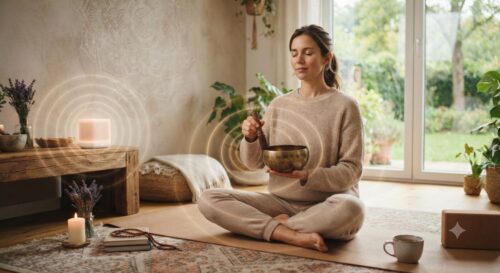
Meditation Sessions
Choose a frequency that matches your intention.
For example:
- 396 Hz for emotional release
- 528 Hz for cultivating compassion
- 852 Hz for spiritual reflection
Spend 10–20 minutes sitting comfortably while focusing on your breathing and allowing the sound to remain in the background.
Relaxation After a Busy Day
Play calming frequencies while reading, stretching, journaling, or taking a warm bath. Gentle background audio can help create an atmosphere that encourages relaxation after work or school.
Improving Sleep
Many people enjoy listening to soft Solfeggio music before bedtime. Keeping the volume low and avoiding stimulating activities beforehand may help establish a more restful nighttime routine.
Mindfulness Practice
These frequencies also pair well with:
- Deep breathing exercises
- Yoga
- Guided visualization
- Gratitude journaling
- Quiet reflection
Combining sound with healthy habits often creates a more enjoyable wellness routine.
Choosing the Frequency That Fits Your Goals
There is no universally “best” Solfeggio frequency. Your choice depends on your personal intentions and preferences.

If you’re just beginning:
- Start with one frequency for several days.
- Notice how you feel during and afterward.
- Keep a journal of your observations.
- Experiment without expecting dramatic or immediate results.
Many practitioners believe the cumulative experience over time is more meaningful than a single listening session.
Frequently Asked Questions (FAQ)
Q: Solfeggio frequencies are scientifically proven?
A: While there is scientific evidence supporting the benefits of sound therapy (such as stress reduction and brainwave entrainment), specific clinical studies on the unique effects of individual Solfeggio frequencies remain limited. Many of the traditional claims, such as DNA repair, are considered symbolic or spiritual rather than medically proven.
Q: Do I need headphones to listen to them?
A: You do not strictly need headphones for general relaxation. However, if you are listening to recordings that include binaural beats, headphones are necessary for the brain to correctly process the difference in frequencies between your left and right ears.
Q: How long should I listen to these frequencies?
A: There is no fixed rule. Consistency is more important than duration. Many people find that 10–20 minutes of intentional listening during meditation is sufficient. You can also play them as gentle background sound for longer periods while working or relaxing.
Q: Can I listen to Solfeggio frequencies while working or driving?
A: You can listen while working if you find the tones helpful for focus. However, it is recommended to avoid listening while driving or performing tasks that require high alertness, as these frequencies are designed to induce relaxation and could potentially lead to drowsiness.
Conclusion
Solfeggio frequencies continue to attract interest from meditation practitioners, sound therapy enthusiasts, and individuals seeking greater emotional balance. While many traditional claims surrounding these frequencies are rooted in spiritual belief rather than established scientific evidence, relaxing sound itself is widely recognized as a valuable tool for reducing stress and supporting mindfulness.
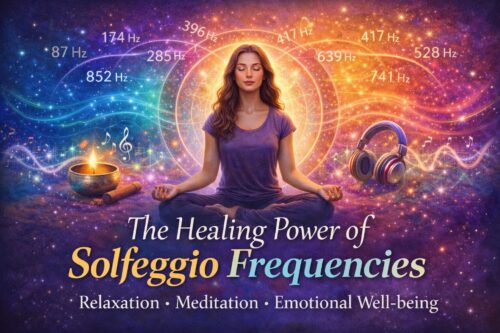
Whether you use 396 Hz to unwind after a demanding day, 528 Hz during meditation, or 852 Hz for quiet contemplation, these ancient-inspired tones can become a peaceful addition to your personal wellness routine. By approaching them with curiosity, consistency, and realistic expectations, you may discover a deeper sense of calm, focus, and inner harmony.