Beyond Possessions: A Comprehensive Guide to the Benefits of Letting Go of Materialism
Introduction: What Happens When We Stop Chasing More?
Modern life makes it surprisingly easy to believe that happiness is something we can buy.
A new phone promises a better experience. A larger home suggests greater comfort. A luxury item can make us feel successful, attractive, or accomplished. Advertising rarely tells us that we already have enough. Instead, it encourages us to imagine how much better life could be if we simply had one more thing.
But possessions themselves are not the problem.
The real issue begins when what we own becomes closely tied to how we measure our happiness, identity, or personal worth.

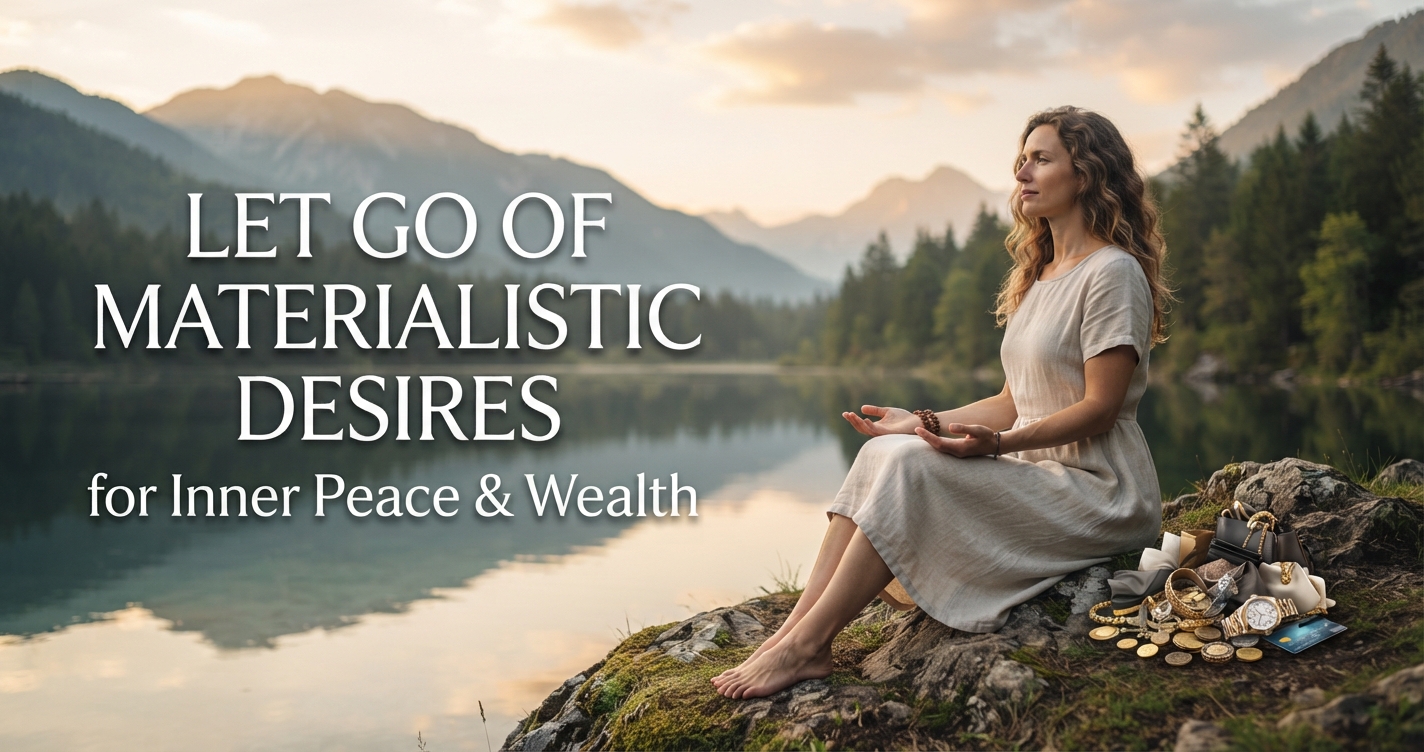
Letting go of materialism does not mean giving away everything you own or rejecting financial success. It means changing your relationship with possessions so that they serve your life rather than control it.
When we stop constantly chasing the next purchase, we may discover something unexpected: having less attachment to things can create more space for relationships, experiences, freedom, and inner peace.
This guide explores the benefits of letting go of materialistic habits, the hidden costs of excessive consumption, and practical ways to build a more intentional and fulfilling life.
The Transformative Benefits of Letting Go of Materialism
A less materialistic lifestyle can influence far more than your shopping habits. It can change how you spend your time, where you place your attention, and what you consider genuinely valuable.

1. Greater Contentment and More Sustainable Happiness
Buying something new can certainly be enjoyable.
The excitement of opening a new device, wearing new clothes, or bringing something beautiful into your home is real. The problem arises when that temporary excitement becomes the main source of emotional satisfaction.
Once the excitement fades, another desire can easily take its place.
This pattern is sometimes described as the hedonic treadmill: people adapt to positive changes and gradually return toward their previous level of satisfaction, which can encourage them to seek the next source of pleasure.
Breaking this cycle does not mean eliminating enjoyment. Instead, it means broadening the sources of happiness in your life.
Friendships, meaningful work, creativity, learning, time in nature, personal growth, and memorable experiences can provide forms of satisfaction that are not dependent on constantly acquiring new things.
The goal is not to stop enjoying possessions. It is to stop expecting possessions to provide everything you need to feel fulfilled.
2. Less Financial and Mental Pressure
Materialistic habits can become expensive, especially when spending is driven by comparison, impulse, or the desire to maintain a particular lifestyle.
The pressure to upgrade constantly can lead to unnecessary purchases, clutter, financial stress, and even debt.
When you become more intentional about what you buy, you may gain something more valuable than another possession: mental space.
Fewer unnecessary purchases can mean fewer decisions, fewer things to maintain, and less time spent thinking about what you should buy next.
There is also a psychological benefit to knowing that your lifestyle does not depend on constantly increasing your income or possessions.
You may begin to feel that you have more freedom to make choices based on your values rather than your shopping habits.
3. More Time for Relationships and Experiences
Every purchase involves more than money.
Objects require space. They need to be stored, cleaned, maintained, upgraded, organized, and eventually replaced.
When consumption becomes less central to your life, some of that time and attention can be redirected toward people and experiences.
A meal with a friend, a long conversation with someone you love, learning a new skill, traveling, creating something, or simply enjoying a quiet afternoon can become more meaningful when you are no longer constantly distracted by the next thing you want to own.
Possessions can certainly contribute to good memories, but the memories themselves are often more important than the objects associated with them.
4. A More Sustainable Relationship With Consumption
Reducing unnecessary consumption can also have environmental benefits.
Every product requires resources to manufacture, package, transport, and eventually dispose of. Buying fewer unnecessary items can therefore reduce your personal consumption of resources and the amount of waste you generate.
This does not mean that one person can solve environmental problems simply by shopping less. Environmental issues are complex and involve businesses, governments, infrastructure, and broader economic systems.
Still, becoming a more conscious consumer is one practical way to make everyday choices more consistent with your environmental values.
The Hidden Costs of Materialistic Thinking
Materialism is often presented as a path to success and freedom, but excessive attachment to possessions can create problems that are easy to overlook.

The Endless Cycle of Wanting
One of the biggest challenges is that there is rarely a final destination.
You buy something you wanted, enjoy it for a while, and eventually become accustomed to it. Then another product catches your attention.
A newer model appears.
A trend changes.
Someone else seems to have something better.
The cycle starts again.
This does not mean that every purchase is meaningless. Rather, the problem lies in expecting each purchase to deliver a lasting sense of fulfillment.
If happiness constantly depends on obtaining the next thing, “enough” can become almost impossible to recognize.
Comparison Can Undermine Self-Worth
Materialism can also become connected to social comparison.
Social media has made it easier than ever to see carefully selected images of other people’s homes, vacations, clothes, careers, and lifestyles. Even when we know these images do not represent someone’s complete reality, comparison can still influence how we feel about our own lives.
You may start asking:
Why don’t I have that?
Why isn’t my life like theirs?
Am I falling behind?
When possessions become symbols of status, they can become part of how we evaluate ourselves and others.
A healthier approach is to separate personal worth from purchasing power.
What you own can describe your lifestyle. It does not define your value as a person.
Financial Stress Can Reduce Freedom
Another hidden cost of excessive consumption is financial pressure.
Impulse purchases may seem harmless individually, but repeated spending can accumulate quickly. Credit card balances, loans, subscriptions, and lifestyle inflation can gradually reduce financial flexibility.
The irony is that the pursuit of a more luxurious lifestyle can sometimes leave people feeling less free.
A simpler approach to consumption can create room for saving, investing, paying down debt, or simply having an emergency cushion.
Financial freedom is not necessarily about having enormous wealth. Sometimes it begins with needing less.
How to Let Go of Materialistic Habits Without Feeling Deprived
Giving up excessive consumption does not have to feel like punishment.
The most sustainable approach is not to tell yourself, “I can never buy anything again.”
Instead, ask a more useful question:
“Does this purchase genuinely improve my life?”
1. Pause Before You Buy
Impulse thrives on speed.
Online shopping makes it possible to see something, want it, and purchase it within seconds. Creating a small gap between desire and action can make a surprisingly big difference.
Before buying something unnecessary, pause and ask:
- Do I actually need this?
- What problem will it solve?
- Do I already own something that serves the same purpose?
- Will I still want it a month from now?
- Am I buying it because I need it or because I am bored, stressed, or comparing myself with someone else?
You do not have to answer every question perfectly.
The purpose is simply to become more conscious of the motivation behind the purchase.
2. Try a Waiting Period
A simple waiting rule can help reduce impulse purchases.
For small nonessential purchases, wait 24 hours. For more expensive items, consider waiting several days or even a few weeks.
Put the item on a wish list instead of buying it immediately.
If you still want it after the waiting period and it fits your budget and values, the purchase may be worth making.
If the desire disappears, you have learned something useful without spending money.
3. Declutter With Intention
Decluttering is not about creating an empty home just for the sake of minimalism.
Instead, look at your belongings and ask whether they still have a useful or meaningful role in your life.
You might discover clothes you never wear, gadgets you have forgotten about, or objects that take up space without adding value.
Letting go of unnecessary possessions can make your environment feel calmer and easier to manage.
More importantly, it can teach you an important lesson:
You may already have more than you need.
4. Replace Shopping With Experiences
Simply trying not to buy things can leave a psychological vacuum.
Instead, replace consumption with activities that genuinely interest you.
Read a book.
Learn to cook something new.
Take a walk.
Exercise.
Visit a museum.
Spend time with friends.
Learn a language.
Work on a creative project.
Explore somewhere you have never been.
These activities redirect your attention from acquiring things toward experiencing life.
And unlike another item sitting on a shelf, an experience can become part of your memories and personal story.
Building a Life Around Values Rather Than Possessions
Letting go of materialism becomes much easier when you know what you want to move toward.

Ask yourself what actually matters to you.
Is it freedom?
Family?
Creativity?
Health?
Learning?
Adventure?
Community?
Peace of mind?
Once your priorities become clearer, purchasing decisions become easier to evaluate.
For example, someone who values travel may decide that spending money on experiences is more meaningful than constantly upgrading their wardrobe.
Someone who values financial independence may prefer saving money rather than buying status symbols.
Someone who values simplicity may discover that owning fewer possessions makes everyday life more enjoyable.
There is no single correct lifestyle.
The point is to make your consumption reflect your values rather than external expectations.
Frequently Asked Questions About Letting Go of Materialism
| Question | Answer |
|---|---|
| Does letting go of materialism mean becoming a minimalist? | Not necessarily. You can enjoy owning beautiful or useful things while avoiding excessive attachment to possessions. |
| Can buying something still make me happy? | Absolutely. Purchases can provide genuine enjoyment, especially when they are useful, meaningful, or aligned with your values. |
| Why do I keep wanting new things after buying something? | Adaptation, advertising, social comparison, and the anticipation of novelty can all contribute to repeated purchasing desires. |
| How can I stop impulse buying? | Try pausing before purchases, using a waiting period, removing shopping apps, and asking yourself what emotional need is driving the purchase. |
| Is living with fewer possessions better for mental health? | It can be helpful for some people, particularly when clutter or excessive consumption creates stress. However, the ideal amount of possessions differs from person to person. |
| Can a non-materialistic lifestyle save money? | Often, yes. Reducing unnecessary purchases can free up money for savings, investments, experiences, or other priorities. |
| Do I have to give away everything I own? | No. Letting go of materialism is about changing your relationship with possessions, not eliminating possessions altogether. |
Conclusion: True Abundance May Have Less to Do With Having More
Letting go of materialism is not about rejecting money, comfort, beautiful objects, or ambition.
It is about putting them in their proper place.
A phone can be useful. A beautiful home can be comforting. Good clothes can boost your confidence. A special purchase can create genuine joy.
The question is not whether possessions are good or bad.
The more important question is:
Who is in control—you or your desire for more?
When you become less dependent on possessions for happiness and self-worth, you may begin to experience a different kind of abundance.
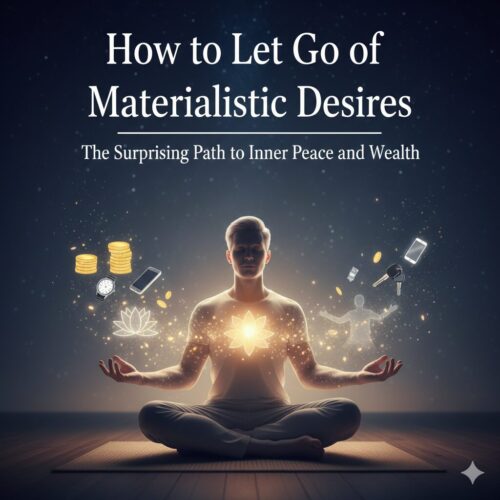
You have more freedom to choose how you spend your money.
More time to invest in relationships.
More attention for experiences.
More appreciation for what you already have.
And perhaps most importantly, more space to discover what actually makes your life meaningful.
The goal is not to own as little as possible.
The goal is to make sure that the things you own support the life you want to live, rather than becoming the reason you are always chasing the next thing.
Sometimes, having enough is not about getting more.
It is about finally noticing that you already have enough.