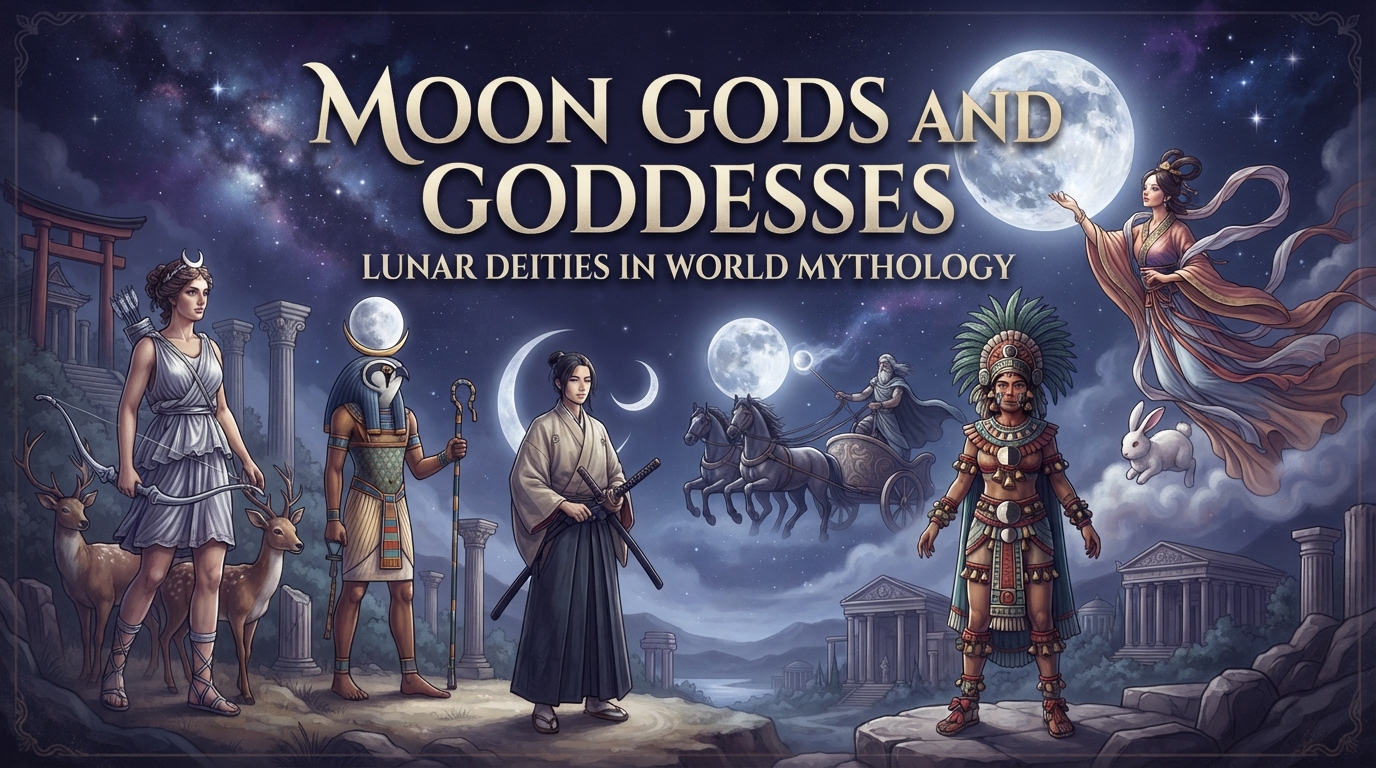
Lunar Lore: Unveiling the Ancient Power and Enduring Mystique of Global Moon Deities
Introduction: The Night’s Illuminators
Since the dawn of human civilization, the Moon has been a constant, mysterious fixture in the night sky, its shifting phases governing tides, planting cycles, and human emotion. This powerful celestial body was universally personified as divine beings, known as Moon Gods and Goddesses, who commanded respect and reverence. These deities symbolized light, feminine power, protection, and the rhythm of time across every major pantheon, from ancient Greece and Rome to the sands of Mesopotamia and the ice fields of Norse lore.
This comprehensive guide explores the rich spiritual history of these lunar figures, detailing the powerful female moon goddesses of the West, the masculine moon gods who tracked time and justice, the enduring mythology of the lunar cycle, and the lasting symbolism these deities hold today.
1. Western Luminaries: The Powerful Moon Goddesses
The Greco-Roman world revered strong female figures who controlled the night, symbolizing nature, hunting, and feminine influence.
Artemis: The Huntress and Protector
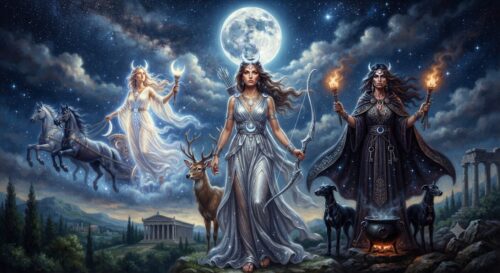
In Greek mythology, Artemis is the revered goddess of the Moon, hunting, and wilderness. Often depicted with a bow and arrow, she is the fierce protector of nature and animals. Her primary role as the Moon Goddess was to illuminate the night sky, offering peace, tranquility, and guidance to mortals. The magnificent ruins of the city of Ephesus, home to one of the Seven Wonders of the Ancient World, were dedicated to her worship, a testament to her importance in daily spiritual life.
Selene and Luna: Phases of the Night
Before Artemis became the dominant lunar figure, Selene was the original Greek Moon Goddess. She was famously depicted riding a chariot across the night sky, perfectly symbolizing the physical movement and changing phases of the Moon. In Roman mythology, the Moon Goddess was Luna, whose name simply derives from the Latin word for the Moon. Luna’s role closely mirrored that of Artemis, controlling the moonlight and standing as a guardian of the night. Romans prayed to Luna for protection and stability during the hours of darkness.
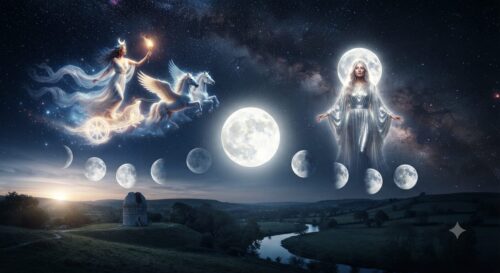
2. Masculine Rulers: Gods of Time, Justice, and Wisdom
In other powerful traditions, the Moon was ruled by male deities who governed concepts essential to society: time, order, and knowledge.
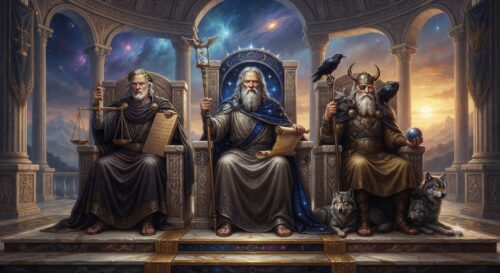
Sin (Nanna): The Mesopotamian Timekeeper
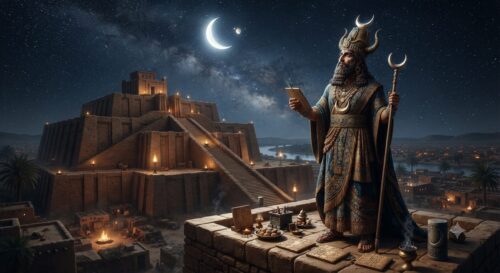
In ancient Mesopotamian mythology, the Moon God known as Sin (or Nanna) was a profoundly important deity of the moon, earth, and the heavens. Sin was highly revered for his role in marking and measuring time through the creation of lunar calendars. Symbolized by the crescent moon, his light was trusted to safely guide travelers and illuminate the night. Sin’s power was inextricably linked to justice and the maintenance of cosmic order.
Thoth: The Egyptian God of Lunar Wisdom
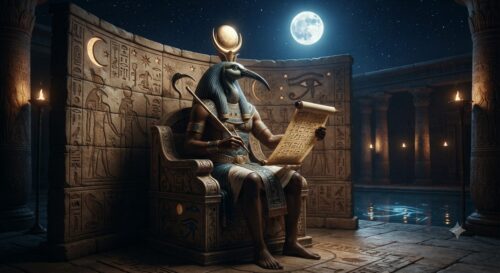
In Egyptian mythology, Thoth is primarily known as the god of wisdom, writing, and time. He was strongly associated with the Moon and played an essential role in regulating the lunar calendar. Often depicted as an ibis or a baboon, Thoth was revered for his magical powers, his deep connection to the Moon, and his role in maintaining the cosmic balance between day and night. He was the protector of scribes and a font of divine knowledge.
3. Mythological Cycles: Light, Darkness, and Lunar Battles
Moon myths often dramatize the fundamental struggle between light and darkness, order and chaos, reflecting the Moon’s cyclical appearance.
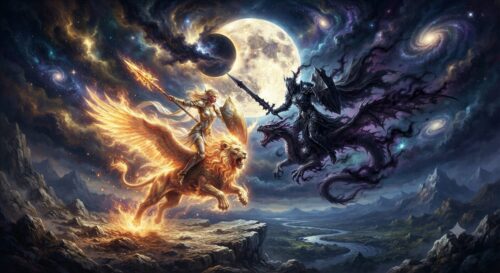
Mani: The Norse Regulator
In Norse mythology, Mani is the personification of the Moon. Along with his sister Sol, the goddess of the sun, Mani controls the movements of the Moon across the night sky. Mani is seen as a source of light, comfort, and hope during the dark hours.
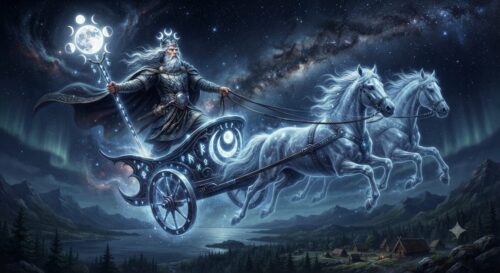
Hati: The Eternal Pursuit
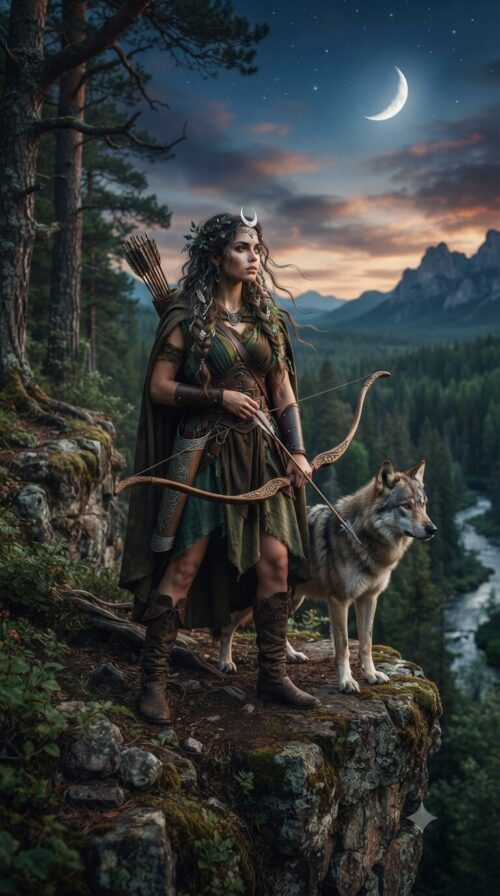
Norse lore features the dramatic myth of the wolf Hati, who relentlessly chases the Moon across the sky, trying to devour it. According to the legend, when Hati temporarily succeeds in catching the Moon, a lunar eclipse occurs. This powerful narrative showcases the symbolic, eternal battle between the forces of light (Mani) and destructive darkness (Hati).
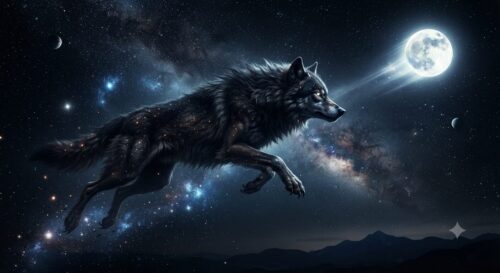
Table: Overview of Global Moon Deities
| Deity Name | Culture / Pantheon | Primary Role & Associations | Key Symbol or Depiction |
| Artemis | Greek | Moon, hunting, wilderness, protector of nature and animals | Bow and arrow, radiant light |
| Selene & Luna | Greek & Roman | Physical movement of the night sky, phases of the Moon, night guardian | Lunar chariot, crescent moon |
| Sin (Nanna) | Mesopotamian | Timekeeping, lunar calendars, cosmic order, guidance for travelers | Crescent moon |
| Thoth | Egyptian | Wisdom, writing, magic, regulation of the lunar calendar | Ibis or baboon |
| Mani | Norse | Regulation of the lunar cycle, source of comfort and light | Chariot/movement across the night sky |
| Hati | Norse | Personification of the eclipse through the pursuit of Mani | Wolf |
4. Enduring Symbolism: Modern Relevance of the Moon
The spiritual power of Moon deities continues to resonate, symbolizing protection, hope, and the profound feminine rhythms of life.
Symbols of Protection and Guidance
Across cultures, Moon deities were universally viewed as symbols of protection and hope. Their light, appearing reliably in the deepest darkness, was believed to guide people safely through the night, both literally and symbolically. This enduring image makes the Moon a continuing source of comfort and resilience in modern spirituality.
The Moon’s Power in Modern Life
The spiritual history of the Moon remains relevant today. Its phases are still used by many for tracking cycles, setting intentions, and connecting with intuition. The Moon’s energy is often associated with the ebb and flow of emotions and the subconscious mind, making these ancient lunar deities’ powerful symbols for self-reflection and emotional wisdom.
Frequently Asked Questions (Q&A)
Q1: Why did ancient civilizations create so many different Moon deities?
A: Because the Moon was universally visible and directly impacted human survival—governing tides, planting schedules, and nighttime safety—different cultures naturally personified its power through their own unique mythologies, ranging from fierce huntresses to wise timekeepers.
Q2: Who were the primary Moon goddesses in Western mythology?
A: In the Greco-Roman tradition, the primary lunar goddesses included Artemis (the Greek huntress and protector), Selene (the original Greek titan of the moon’s physical phase), and Luna (her Roman counterpart).
Q3: How did ancient Mesopotamian and Egyptian cultures view the Moon?
A: In Mesopotamia, the Moon God Sin (Nanna) was vital for creating lunar calendars and maintaining justice. In Egypt, the Moon was closely tied to Thoth, the god of wisdom, writing, and magic, who helped regulate the celestial order.
Q4: What do Norse myths explain about lunar eclipses?
A: Norse mythology attributes lunar eclipses to Hati, a giant wolf who relentlessly chases the Moon god (Mani) across the night sky and occasionally catches it, temporarily plunging the world into darkness.
Q5: How do ancient Moon deities remain relevant in modern life?
A: Today, the spiritual energy of lunar deities persists in modern practices such as tracking lunar phases, setting monthly intentions, and utilizing the Moon as a powerful symbol for emotional self-reflection, intuition, and resilience.
Summary: The Undying Light of the Moon Deities
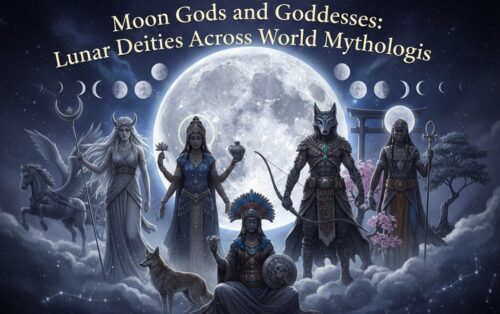
The global reverence for Moon Gods and Goddesses is a rich testament to humanity’s deep connection with the cosmos. From Artemis and Luna governing the night in the West to Sin and Thoth mastering time and wisdom, these deities are enduring symbols of light, protection, and guidance. They continue to captivate and inspire, reminding us of the powerful forces that shape our world and the profound comfort found in the reliable, cyclical presence of the Moon in the darkest hours.