
The Mind’s Compass: How to Break Free from Negative Thinking and Build a Positive Mindset
Introduction
Negative thinking can quietly shape every aspect of life, influencing emotions, decisions, relationships, and overall well-being.

Although everyone experiences self-doubt or worry from time to time, allowing these thoughts to dominate can create unnecessary stress and limit personal growth.
Fortunately, the brain has the ability to adapt and change. By developing healthier thought patterns and daily habits, anyone can gradually replace negativity with confidence, resilience, and optimism.
The Hidden Cost of Negative Thinking
Persistent negative thoughts affect both mental and physical health. Constant stress increases the body’s production of stress hormones, making it harder to relax, sleep well, and maintain emotional balance. Over time, this cycle can reduce motivation and increase feelings of anxiety.

Negative thinking also weakens self-confidence. When people repeatedly expect failure, they often avoid challenges or hesitate to pursue new opportunities. This mindset limits progress and makes setbacks seem much larger than they really are.
Relationships may suffer as well. Frequent criticism, complaints, or pessimism can create emotional distance and reduce trust. A healthier outlook benefits not only personal happiness but also the quality of interactions with others.
Common Negative Thinking Patterns
Many harmful thought habits develop gradually and become automatic.
One of the most common is the self-fulfilling prophecy. Believing failure is inevitable often leads to behaviors that increase the likelihood of failure, reinforcing the original belief.

Another habit is dwelling on the past. Constantly replaying mistakes or regrets drains emotional energy while preventing people from focusing on the present and planning for the future.
Black-and-white thinking is another obstacle. Viewing situations as complete success or total failure leaves little room for learning, improvement, or celebrating small achievements.
Many people also become trapped in endless “what if” scenarios. Imagining worst-case outcomes creates unnecessary fear and discourages action, even when the actual risks are small.
| Negative Thought Pattern | How It Manifests | Healthier Alternative |
| Self-Fulfilling Prophecy | Expecting failure and acting in ways that guarantee it. | “If I prepare and try my best, I can increase my chances of success.” |
| Dwelling on the Past | Constantly replaying past mistakes or regrets. | “What can I learn from this past experience to help me today?” |
| Black-and-White Thinking | Viewing situations as absolute success or total failure. | “Progress happens in steps; small achievements still matter.” |
| “What If” Scenarios | Imagining worst-case outcomes and letting fear stop action. | “What is the most likely outcome, and what can I do right now?” |
Rewiring the Brain for Positivity
Changing long-established thought patterns takes patience, but consistent practice can produce lasting results.
The first step is self-awareness. Paying attention to recurring thoughts without immediately reacting to them makes it easier to recognize negative mental habits before they gain control.

Practicing gratitude is another powerful strategy. Taking time each day to appreciate positive experiences, supportive people, or simple comforts trains the mind to notice opportunities instead of limitations.
Positive self-talk also reshapes thinking over time. Replacing harsh self-criticism with balanced, encouraging language helps build confidence and emotional resilience. Instead of saying, “I can’t do this,” try, “I can improve with practice.”
For those struggling with persistent negativity, professional support can make a significant difference. Approaches such as cognitive behavioral techniques help identify distorted thinking and replace it with healthier perspectives.
Building Lasting Positive Habits
A positive mindset is strengthened through daily lifestyle choices.
Spending time with encouraging, supportive people creates an environment that promotes growth and motivation. Positive relationships often influence attitudes more than people realize.
Physical well-being also supports mental health. Regular exercise, nutritious meals, sufficient sleep, and effective stress management improve emotional stability while increasing energy and focus.

Learning to forgive is equally important. Holding onto resentment or guilt prolongs emotional pain. Letting go does not excuse harmful behavior—it simply frees the mind from carrying unnecessary emotional burdens.
Finally, remember that setbacks are a natural part of life. Every challenge provides an opportunity to learn, adapt, and become more resilient.
Conclusion
Negative thinking is a habit—not a permanent condition. With awareness, consistent effort, and healthy daily practices, it is possible to reshape the way you think and respond to life’s challenges. Progress may be gradual, but every positive choice strengthens new mental pathways and builds lasting resilience.
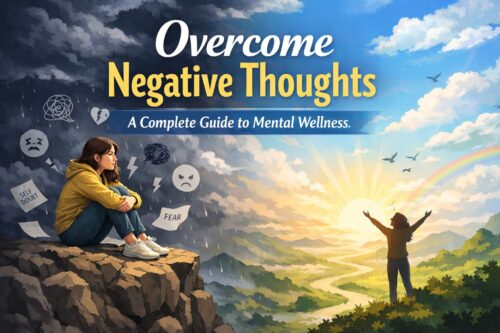
A healthier mindset opens the door to greater confidence, stronger relationships, improved well-being, and a more fulfilling life. By choosing optimism over fear and growth over self-doubt, you can create a future defined not by limitations, but by possibility.
Q&A
Q: How long does it take to break a negative thinking habit?
A: There is no set timeline, as it varies from person to person. However, because the brain is adaptable through neuroplasticity, most people begin to notice small shifts in their mindset within a few weeks of consistent practice, such as daily gratitude or positive self-talk.
Q: Can negative thinking actually affect physical health?
A: Yes. Persistent negative thoughts trigger chronic stress, which increases stress hormones like cortisol. Over time, this can lead to sleep difficulties, weakened immune function, fatigue, and higher anxiety levels.
Q: What is the fastest way to stop a negative thought spiral in the moment?
A: The first step is awareness—pause and acknowledge the thought without judging yourself for having it. Then, ground yourself in the present moment by taking a few deep breaths, and gently reframe the negative thought into a more realistic, objective statement.
Q: When should someone consider professional help for negative thinking?
A: If negative thinking feels overwhelming, persists despite your best efforts, or begins to significantly interfere with your daily life, work, or relationships, speaking with a therapist or counselor trained in cognitive behavioral approaches can provide valuable guidance and relief.