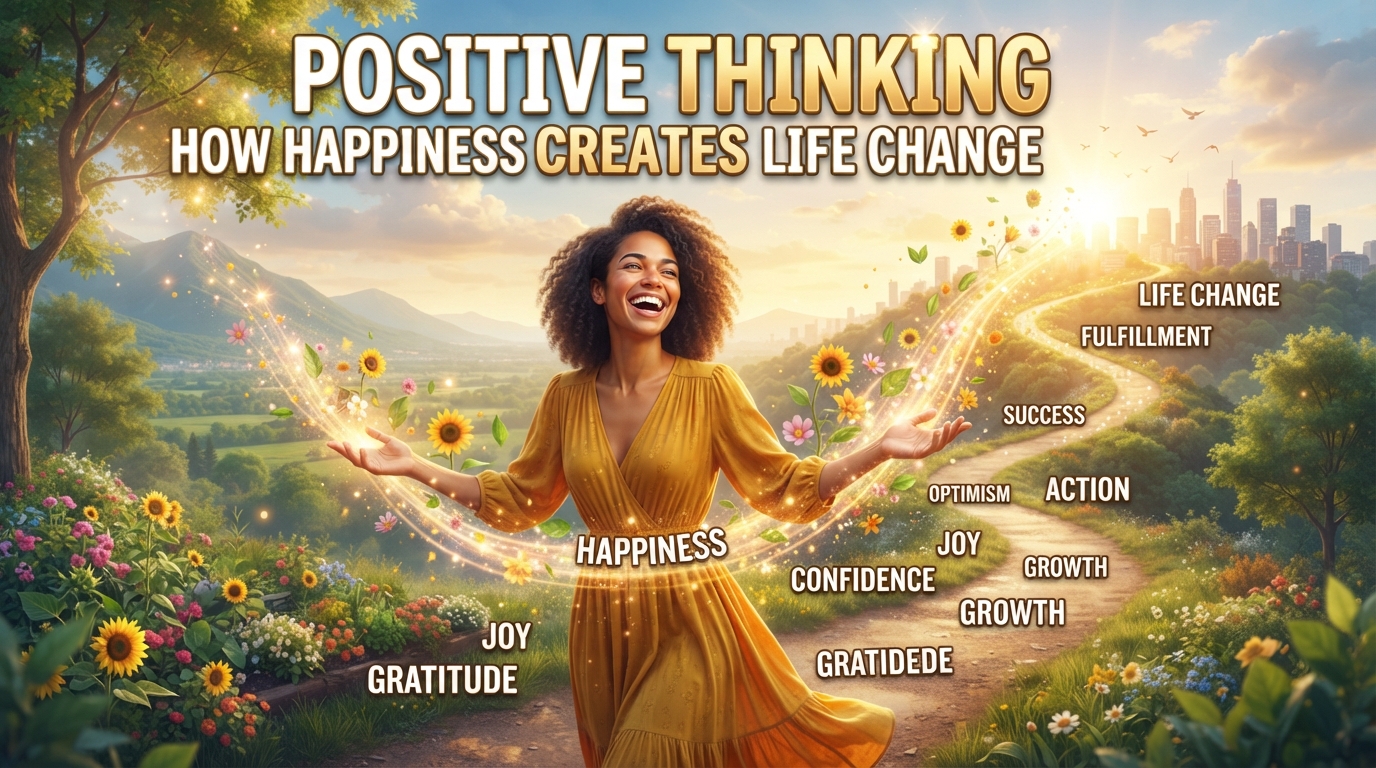
The Power of Positive Thinking: Building a Happier and More Fulfilling Life
Introduction
Many people spend years searching for happiness in money, success, or the approval of others. While these things can bring temporary satisfaction, lasting happiness often begins with our mindset.

The way we think influences our emotions, decisions, relationships, and daily experiences. By developing positive habits such as gratitude, self-belief, and compassion, we can create a healthier outlook and improve our overall quality of life.
How Thoughts Shape Our Lives
Our thoughts influence how we interpret the world around us. When we repeatedly focus on hope, confidence, and possibility, we become more likely to recognize opportunities and approach challenges with resilience.

Modern neuroscience suggests that the brain can adapt through repeated mental patterns, a process known as neuroplasticity. Over time, practicing constructive thinking can strengthen healthier emotional responses and reduce the impact of negative thinking habits.
Positive thinking does not mean ignoring problems or pretending everything is perfect. Instead, it involves choosing responses that encourage growth, learning, and emotional balance.
The Value of Positive Beliefs
Believing in positive outcomes can increase motivation and persistence. People who trust their ability to overcome obstacles are often more willing to take meaningful action toward their goals. Confidence encourages consistent effort, while fear and self-doubt often prevent progress before it even begins.

Simple affirmations can be useful when they reinforce realistic and meaningful beliefs. Statements such as “I am capable of learning,” or “Every day I can improve” may help strengthen confidence when combined with genuine effort and self-reflection.
Kindness Creates Positive Connections
Wishing happiness for others can also improve our own emotional well-being. Acts of kindness, empathy, and encouragement strengthen relationships while reducing feelings of anger, jealousy, and resentment.

Research has shown that helping others often increases life satisfaction and emotional health for both the giver and the receiver.
Instead of comparing yourself with others, celebrate their achievements and focus on your own personal growth. A generous mindset creates healthier relationships and contributes to a more positive environment.
Gratitude Changes Perspective
Gratitude is one of the simplest habits for improving emotional well-being. Taking time each day to appreciate the people, experiences, and opportunities already present in your life shifts attention away from constant dissatisfaction.

Keeping a gratitude journal or simply reflecting on three positive moments before bed can gradually develop a more optimistic perspective. While gratitude does not eliminate difficulties, it reminds us that challenges often exist alongside reasons for hope.
Overcoming Negative Thought Patterns
Everyone experiences fear, disappointment, and self-doubt. The goal is not to eliminate negative thoughts completely but to avoid allowing them to control our lives.

When negative thoughts appear, pause and examine them objectively. Ask yourself whether they are based on facts or assumptions. Replacing overly critical thinking with balanced and realistic perspectives can reduce unnecessary stress and improve emotional resilience.
Self-awareness, mindfulness, and emotional reflection are valuable tools for breaking harmful mental habits and creating healthier patterns over time.
Practical Habits for Greater Happiness
Developing a positive mindset requires consistency rather than perfection. Small daily actions often create lasting results.
- Begin each morning with a positive intention.
- Practice gratitude every day.
- Speak to yourself with patience and respect.
- Perform small acts of kindness whenever possible.
- Focus on solutions instead of dwelling on problems.
- Take meaningful action toward your personal goals.
- Surround yourself with supportive and encouraging people.
These habits may seem simple, but practiced consistently, they can significantly influence your emotional well-being and overall outlook on life.
Conclusion
Happiness is not something that suddenly appears through luck or external success. It is gradually built through our daily choices, attitudes, and actions. By cultivating optimism, practicing gratitude, treating others with kindness, and maintaining realistic confidence, we create a foundation for a more meaningful and satisfying life.
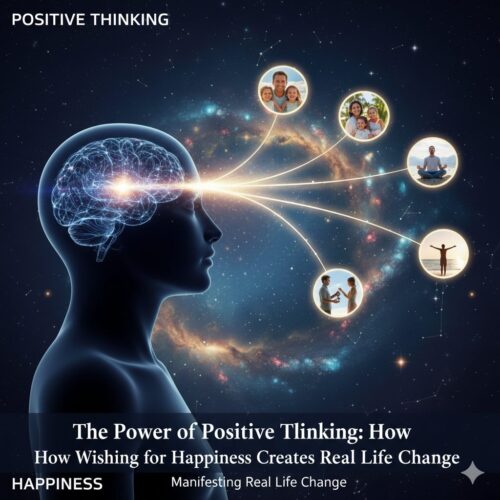
Positive thinking is not about denying life’s challenges. It is about facing them with resilience, hope, and the belief that growth is always possible. Every positive choice you make today has the potential to shape a brighter tomorrow.