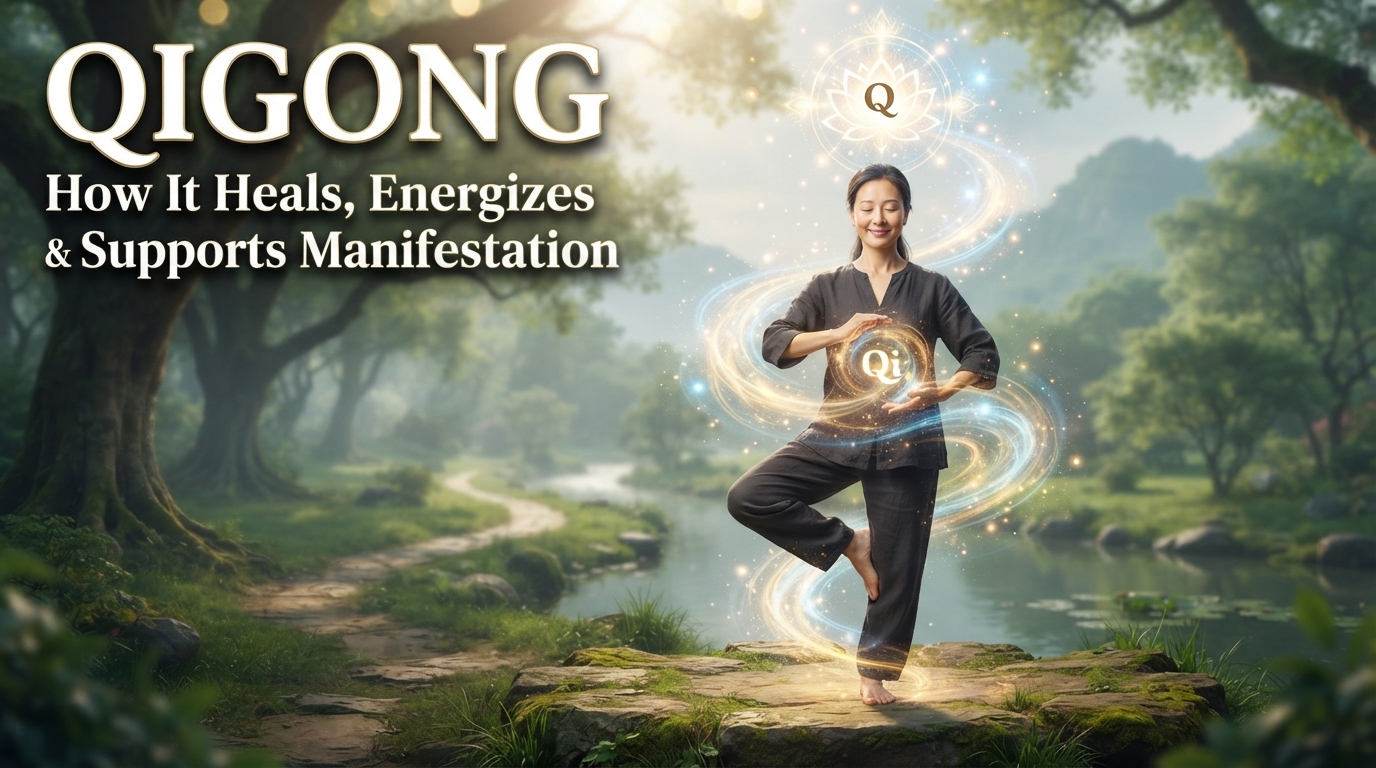
Qigong and the Power of Energy: A Complete Guide to Health, Inner Balance, and Personal Growth
Introduction
Modern life often leaves people feeling exhausted, stressed, and disconnected from themselves. Qigong, an ancient Chinese wellness practice, offers a gentle yet effective way to restore physical vitality and mental clarity.
Combining slow movements, controlled breathing, and focused awareness, Qigong encourages harmony between body and mind.
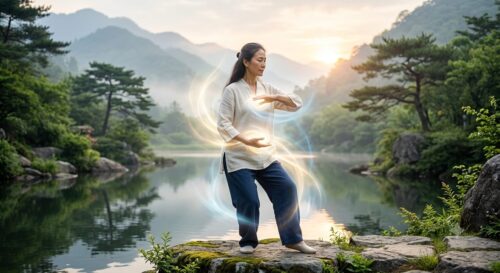
While many people practice it for relaxation or exercise, it is also valued as a method for improving overall well-being, developing mindfulness, and supporting personal growth.
This guide explores the principles of Qigong, its potential health benefits, and practical ways to incorporate it into everyday life.
1. Understanding the Foundations of Qigong
Qigong is built around the traditional concept of Qi, often described as the body’s vital energy. In traditional Chinese practices, Qi is believed to circulate through pathways known as meridians. When this flow becomes disrupted, physical discomfort and emotional imbalance may occur. Qigong aims to encourage smooth, balanced movement of Qi through gentle exercises and mindful breathing.
Many practitioners report sensations such as warmth, tingling, or lightness while practicing. Whether understood through traditional philosophy or simply as increased body awareness, these experiences often help practitioners develop a stronger connection with themselves.

Unlike high-intensity workouts, Qigong emphasizes relaxed, controlled movements that improve flexibility, posture, balance, and breathing while reducing unnecessary muscular tension. Its meditative qualities also encourage mental calmness and present-moment awareness.
Consistency matters more than intensity. Practicing for just 10 to 15 minutes each day can gradually improve relaxation, mobility, emotional balance, and overall resilience.
2. Supporting Physical and Mental Well-Being
Qigong takes a holistic approach to health by recognizing the close relationship between the body and the mind. Stress can create physical tension, while chronic discomfort often affects emotional well-being. Gentle movement combined with mindful breathing helps interrupt this cycle by promoting relaxation throughout the entire body.
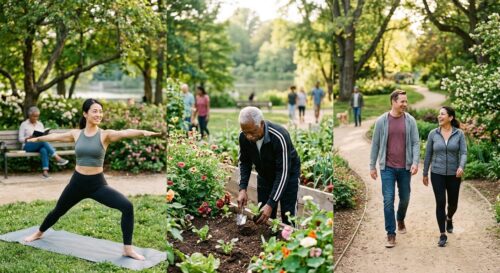
Many traditional Qigong exercises, including rhythmic arm swinging, are intended to release accumulated tension and restore a sense of natural flow. Modern practitioners often experience these movements as an effective way to loosen stiff muscles, improve circulation, and reduce daily stress.
Regular practice may contribute to improved balance, flexibility, posture, breathing efficiency, and emotional stability. While Qigong is not a replacement for professional medical treatment, it can serve as a valuable complementary practice that supports a healthy lifestyle and long-term wellness.
3. Using Qigong to Strengthen Positive Intentions
Many people combine Qigong with personal goal setting and visualization. Rather than viewing this as a mystical process, it can be understood as a way of aligning thoughts, emotions, and actions toward meaningful objectives.

During practice, individuals may focus on a specific goal, imagining themselves successfully achieving it. This visualization can strengthen motivation, improve confidence, and encourage consistent action in daily life.
Calm breathing and mindful movement also reduce mental distractions, making it easier to maintain focus on long-term aspirations. As emotional resilience grows, many practitioners find themselves better prepared to handle challenges while remaining committed to their personal goals.
4. Three Essential Daily Practices
A simple Qigong routine can begin with releasing physical and emotional tension. Slow breathing combined with gentle movements encourages the body to relax while allowing unnecessary stress to fade.
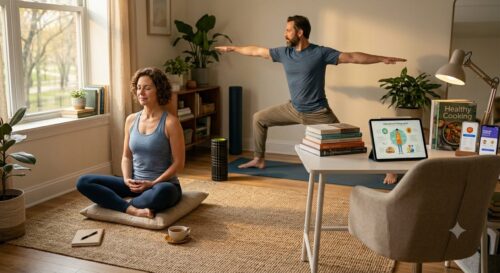
The next step is cultivating positive energy through mindful breathing. Many practitioners imagine inhaling fresh vitality while maintaining an upright, comfortable posture that promotes both stability and relaxation.
Finally, developing present-moment awareness helps reduce excessive worry about the past or future. By repeatedly returning attention to the breath and the body, practitioners gradually build greater mental clarity, emotional balance, and inner peace.
Conclusion
Qigong is far more than a series of slow exercises. It is a lifelong practice that encourages harmony between physical health, emotional well-being, and mindful living. Through regular practice, individuals may improve flexibility, reduce stress, strengthen body awareness, and develop greater resilience in everyday life.
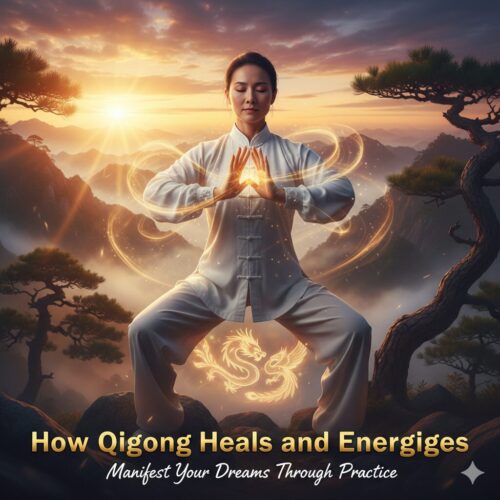
Whether your goal is better health, increased relaxation, or personal growth, Qigong offers a gentle and accessible path toward a more balanced and fulfilling life. Small daily efforts can gradually produce lasting improvements, making this ancient practice a valuable companion for modern living.