
The Ultimate Guide to Gratitude: How a Grateful Heart Can Cultivate Abundance and Joy
Introduction: Why Gratitude Can Change the Way You Experience Life
In a world that constantly reminds us of what we do not have, gratitude offers a powerful alternative: the conscious practice of recognizing and appreciating what is already present in our lives.
Gratitude is more than simply saying “thank you.” It is a mindset that changes where we place our attention and how we interpret our experiences. When practiced consistently, gratitude can help us appreciate ordinary moments, strengthen relationships, cope with stress, and develop a more balanced perspective on life.

But can gratitude really create abundance?
From a spiritual perspective, many traditions and manifestation practices view gratitude as a way of aligning ourselves with abundance rather than scarcity. The Law of Attraction, for example, suggests that focusing on appreciation and positive emotions can attract experiences that match that state of mind.
Science offers a more grounded explanation.
Research in psychology suggests that gratitude is associated with several aspects of emotional well-being, social connection, and resilience. Gratitude does not magically guarantee wealth or happiness, but it can influence how we perceive our circumstances, interact with others, and respond to opportunities.
This guide explores the psychology and spirituality of gratitude, explains how gratitude may contribute to a sense of abundance, and offers practical ways to make appreciation a meaningful part of everyday life.
1. The Psychology of Gratitude: Why Appreciation Matters
Gratitude has become an important subject in positive psychology, where researchers study the factors that contribute to human well-being and flourishing.
Although gratitude is not a cure-all, developing a regular practice of appreciation may influence how people think, feel, and relate to the world around them.

Shifting Attention Toward What Is Already Present
Our attention is naturally drawn toward problems, threats, and unfinished tasks. This tendency can be useful because it helps us identify what needs to be solved. However, constantly focusing on what is wrong can also make life feel as though something is always missing.
Gratitude provides a deliberate counterbalance.
When you regularly ask yourself what is going well, what you appreciate, or what has supported you recently, you train yourself to notice positive aspects of your experience that might otherwise be overlooked.
This does not mean ignoring difficulties.
Instead, gratitude adds another perspective.
You can acknowledge that a situation is difficult while still recognizing the people, resources, opportunities, or moments of comfort that exist alongside the difficulty.
Gratitude and Emotional Well-Being
Gratitude practices have been associated with improvements in several measures of psychological well-being. Writing about things you appreciate, reflecting on positive experiences, or expressing genuine thanks to another person can encourage a more positive emotional outlook.
However, it is important to avoid exaggerated claims about gratitude “rewiring the brain” or instantly eliminating anxiety and depression.
The brain is highly complex, and emotional well-being is influenced by many factors, including biology, environment, relationships, sleep, stress, and life circumstances.
Gratitude is best understood as one potentially useful psychological practice among many, rather than a universal solution.
Reducing the Grip of Stress
When life becomes stressful, our attention can become narrowly focused on the problem in front of us.
A brief gratitude practice can create psychological space.
Instead of asking only:
“What is going wrong?”
you can also ask:
“What is still supporting me right now?”
Perhaps it is a friend who listens, a safe place to rest, a skill you have developed, or simply a quiet moment during a difficult day.
This shift does not remove the problem, but it may help you approach it with greater perspective and emotional balance.
Gratitude, Self-Worth, and Social Comparison
Modern life makes comparison almost unavoidable.
Social media, advertising, and constant exposure to other people’s achievements can easily create the feeling that everyone else is living a better life.
Gratitude can interrupt this comparison cycle by redirecting attention toward your own experiences.
Instead of measuring your life against someone else’s highlight reel, you begin to recognize what is meaningful in your own circumstances.
This can encourage greater contentment and a healthier sense of self-worth.
2. From Gratitude to Abundance: Can Appreciation Attract More?
The connection between gratitude and abundance is one of the most popular ideas in manifestation culture.
Spiritual teachings often describe gratitude as a powerful energetic state. According to this perspective, appreciating what you already have shifts you away from scarcity and toward abundance, making you more receptive to additional blessings and opportunities.
Science does not currently establish that gratitude produces a measurable energy or frequency that attracts external events.
But there is another explanation that is both practical and fascinating.

The Law of Attraction Perspective
Within the Law of Attraction, gratitude is often considered one of the most important emotional states for manifestation.
The basic idea is that when you focus on what is already good in your life, you reinforce the feeling that you are supported and abundant rather than deprived.
From this perspective, gratitude is not simply an emotion.
It is a way of aligning your thoughts and feelings with the reality you want to experience.
Whether someone interprets this spiritually or symbolically, the practice can still encourage a useful question:
“What would I notice if I stopped looking only for what is missing?”
That question can change the way you approach your life.
Gratitude Can Change What You Notice
Suppose you are grateful for your career and genuinely interested in developing it further.
You may become more attentive to useful conversations, professional connections, learning opportunities, and potential projects.
The gratitude itself does not necessarily create those opportunities.
Instead, your mindset may influence what you notice and what you do with what you notice.
This distinction is important.
Rather than imagining abundance as something that simply arrives from the universe, you can understand it as something that may become easier to recognize, develop, and appreciate when your attention is not dominated by scarcity.
Gratitude and Inspired Action
Gratitude does not have to mean passive acceptance.
In fact, appreciation can coexist with ambition.
You can be grateful for your current life while still wanting to grow.
You can appreciate your current income while working toward greater financial stability.
You can value an existing relationship while wanting to deepen it.
You can be thankful for your current skills while continuing to learn.
This creates a healthier form of abundance:
I appreciate what I have, and I am open to what I can create next.
Abundance Is More Than Money
One of the most valuable aspects of gratitude is that it expands the definition of abundance.
Financial success can certainly be meaningful, but it is only one dimension of a fulfilling life.
Abundance can also include:
- Meaningful relationships
- Physical and emotional well-being
- Time and freedom
- Creativity
- Learning
- Community
- Peace of mind
- Personal growth
- A sense of purpose
When you begin recognizing these forms of richness, your definition of a successful life can become much broader.
3. The Spiritual Power of Gratitude: Finding Meaning in the Present
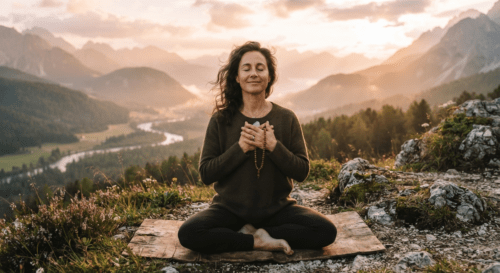
Gratitude has existed as a spiritual practice across many cultures and traditions.
For some people, gratitude is directed toward God or a higher power. For others, it is an appreciation of nature, life itself, human connection, or the present moment.
The spiritual interpretation may differ, but the underlying practice is similar:
Pause. Recognize. Appreciate.
Gratitude and a Sense of Connection
Gratitude can remind us that our lives are connected to countless people and circumstances beyond ourselves.
A simple meal may depend on farmers, producers, transportation workers, cooks, and countless other people.
A career may be influenced by teachers, colleagues, mentors, and family members.
Even a moment of rest may be possible because someone else helped create a safe or supportive environment.
Recognizing these connections can foster humility and a deeper sense of belonging.
Letting Go of the Past
Gratitude does not require pretending that painful experiences never happened.
Instead, it can help you identify what those experiences taught you, who supported you through them, or what strengths you developed along the way.
This can gradually shift the question from:
“Why did this happen to me?”
toward:
“What can I learn from what happened, and what do I appreciate now?”
That shift can be particularly powerful when combined with reflection and self-compassion.
Returning to the Present Moment
Much of our mental energy is spent somewhere other than the present.
We replay the past.
We worry about the future.
We imagine what might happen.
Gratitude can bring attention back to what exists right now.
The warmth of a cup of tea.
The sound of rain.
A conversation with someone you love.
A comfortable place to sleep.
The feeling of sunlight during a morning walk.
These moments may seem ordinary, but noticing them can make everyday life feel richer.
Gratitude and Hope
Gratitude can also coexist with hope.
When you recognize that positive experiences already exist in your life, the future may feel less threatening and more open to possibility.
This does not mean assuming that everything will work out exactly as planned.
Rather, it creates the mindset:
“Good things are possible, and I have reasons to keep moving forward.”
That form of hope can be more sustainable than forced positivity.
4. How to Cultivate a Grateful Heart Every Day
Gratitude becomes meaningful through repetition.
You do not need an elaborate spiritual ritual. Small, consistent practices can be enough to make appreciation a more natural part of your daily life.

1. Keep a Gratitude Journal
At the beginning or end of the day, write down three things you appreciate.
They do not need to be extraordinary.
You might write:
- “I had a peaceful morning.”
- “A friend checked in on me.”
- “I enjoyed my favorite meal.”
- “I made progress on something important.”
- “I had time to rest.”
The key is specificity.
Instead of writing simply, “I am grateful for my family,” describe why you appreciate them.
Specific reflection can make the practice more personal and meaningful.
2. Express Appreciation Directly
Do not keep gratitude inside your head.
Tell people when you appreciate them.
Send a message.
Write a note.
Thank a colleague.
Compliment someone’s effort.
Tell a family member what they mean to you.
Genuine appreciation can strengthen social bonds while also reinforcing your own awareness of the good relationships in your life.
3. Use Gratitude During Difficult Moments
You do not have to wait for a perfect day.
When something goes wrong, pause and ask:
“Is there anything I can still appreciate in this moment?”
Perhaps the answer is very small.
That is okay.
Gratitude is not about denying pain. It is about recognizing that pain is not necessarily the whole story.
4. Practice Gratitude Through Your Senses
Choose an ordinary moment and experience it deliberately.
When you eat, notice the flavor.
When you walk outside, notice the air.
When you listen to music, focus completely on the sound.
When you talk to someone, put away distractions and listen.
This transforms gratitude from an abstract idea into a direct experience.
5. Create a “Three Good Things” Ritual
Before going to sleep, identify three positive moments from your day.
They can be major accomplishments or tiny pleasures.
The goal is not to convince yourself that every day was wonderful.
The goal is simply to make room for positive experiences alongside the inevitable difficulties of life.
6. Combine Gratitude With Action
This may be the most important practice of all.
If you are grateful for your health, take care of your body.
If you are grateful for a relationship, invest time in it.
If you are grateful for an opportunity, make good use of it.
If you are grateful for your knowledge, keep learning.
Gratitude becomes especially powerful when appreciation leads to action.
5. Common Misunderstandings About Gratitude
Gratitude is powerful, but it can also be misunderstood.

Gratitude Does Not Mean Ignoring Problems
You can be grateful and frustrated at the same time.
You can appreciate your life while wanting something to change.
You can recognize your blessings while acknowledging genuine pain.
Healthy gratitude makes room for reality rather than forcing every experience into a positive narrative.
Gratitude Is Not a Guarantee of Wealth
Being grateful does not guarantee financial success, career advancement, or material abundance.
If someone promises that gratitude alone will make you rich, that claim should be treated skeptically.
Gratitude may influence motivation, attention, decision-making, and relationships, all of which can contribute to a person’s ability to pursue opportunities.
But outcomes are shaped by many factors beyond mindset.
You Do Not Have to Feel Grateful All the Time
There will be days when gratitude feels difficult.
That is normal.
The goal is not to maintain constant positivity.
Instead, gratitude can become one tool you return to when you need perspective, grounding, or a reminder of what still matters.
Conclusion: Gratitude Can Transform the Way You Experience Abundance
A grateful heart is not something you either have or do not have.
It is a quality that can be cultivated.
Every time you pause to appreciate something meaningful, you redirect your attention from automatic dissatisfaction toward conscious awareness.
That simple shift can have surprisingly broad effects.
From a psychological perspective, gratitude may support emotional well-being, social connection, and resilience.
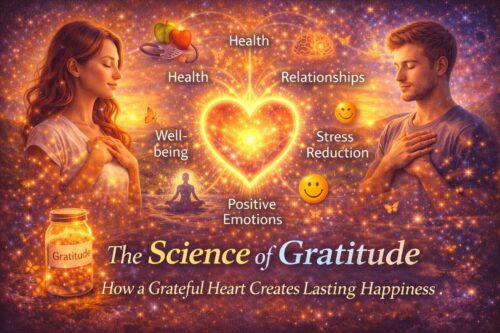
From a spiritual perspective, it can become a practice of recognizing the abundance already present in life.
From a manifestation perspective, gratitude represents a shift from “I need something to be happy” toward “I can appreciate what exists while remaining open to what comes next.”
Perhaps that is the deeper meaning of abundance.
It is not simply having more.
It is being able to recognize, appreciate, and make meaningful use of what you already have while continuing to grow.
You do not need to wait for your dream life to arrive before becoming grateful.
Start with today.
Notice one good thing.
Appreciate one person.
Savor one ordinary moment.
Then take one meaningful step toward the future you want.
Gratitude may not change everything around you overnight—but it can change the way you see, experience, and respond to your life. And sometimes, that is where real transformation begins.