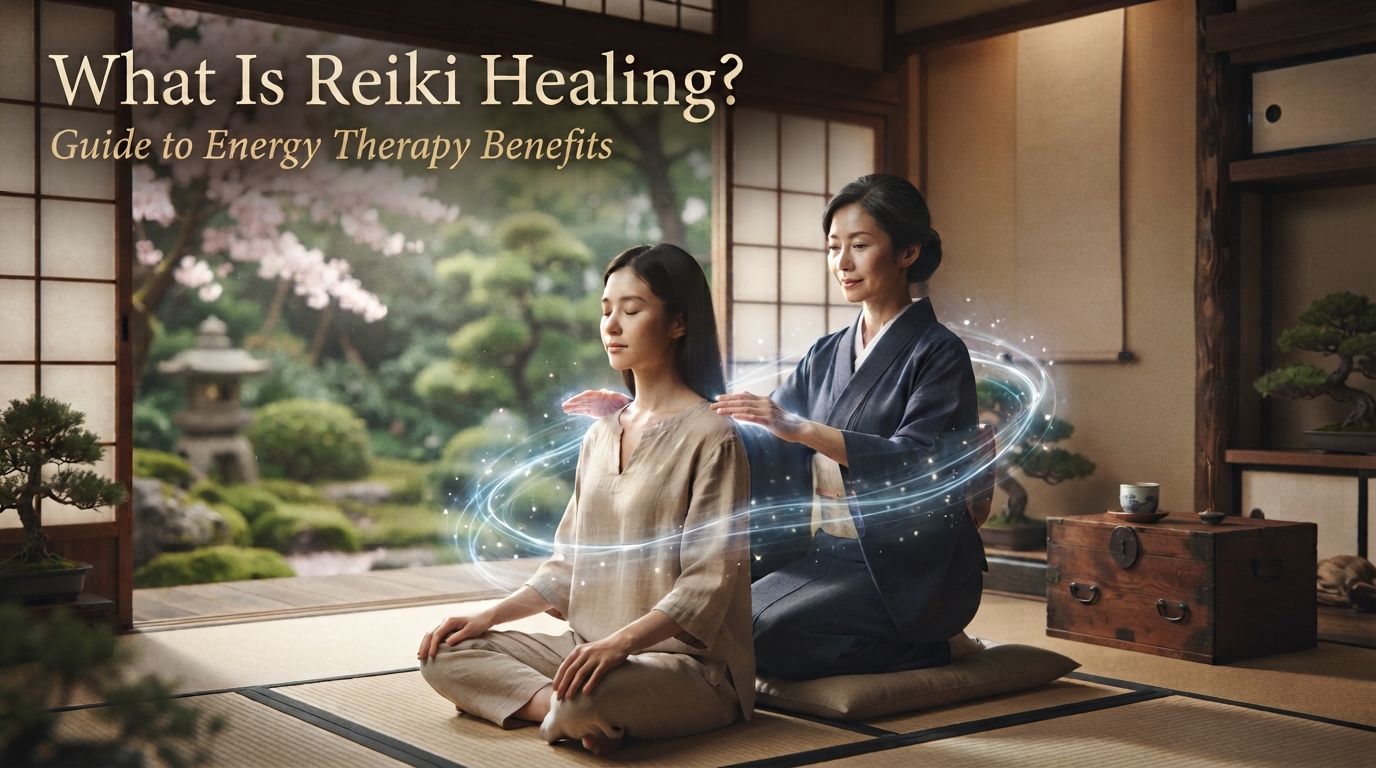
Reiki Healing: A Complete Guide to Inner Balance, Natural Wellness, and Spiritual Growth
Introduction
Modern life often leaves us overwhelmed, exhausted, and disconnected from ourselves. Reiki healing offers a gentle way to restore balance by encouraging deep relaxation and supporting overall well-being. Originating in Japan, Reiki combines the words rei (universal) and ki (life energy), referring to the flow of life force that practitioners believe exists within all living things.
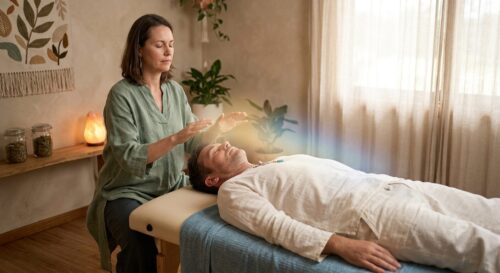
During a Reiki session, a practitioner places their hands lightly on or just above the body to encourage the movement of this energy. While scientific evidence remains limited and research continues, many people report feeling calmer, emotionally lighter, and physically refreshed after treatment. Whether used for stress management, emotional healing, or personal growth, Reiki has become a popular complementary wellness practice around the world.
Reducing Stress and Restoring Mental Balance
One of Reiki’s most recognized benefits is its ability to promote relaxation and reduce emotional tension. In today’s busy world, chronic stress affects both physical and mental health, making relaxation practices increasingly valuable.

Deep Relaxation
Reiki sessions often create a peaceful, meditative state that allows the nervous system to slow down. As the body relaxes, anxious thoughts become quieter, making it easier to regain emotional stability and mental clarity.
Releasing Emotional Tension
Many Reiki practitioners believe emotional stress can disrupt the body’s natural energy flow. Reiki aims to gently remove these energetic blockages, helping people feel lighter, calmer, and better prepared to cope with daily challenges.
Combining Reiki with Mindfulness
Many people enhance Reiki sessions by practicing meditation, deep breathing, or listening to calming music. These complementary techniques encourage greater relaxation and may help extend the peaceful effects long after the session ends.
Supporting Physical Well-Being
Although Reiki should never replace professional medical treatment, it is commonly used alongside conventional healthcare to support recovery and improve overall wellness.

Managing Discomfort
People frequently seek Reiki to help ease chronic pain, muscle tension, headaches, and general physical discomfort. Deep relaxation may also reduce stress-related symptoms and improve overall comfort.
Encouraging Recovery
After surgery, illness, or injury, reducing stress can support the body’s natural healing processes. Many individuals report feeling more comfortable, sleeping better, and recovering more smoothly when Reiki is included as part of their self-care routine.
Whole-Body Wellness
Rather than focusing on a single symptom, Reiki seeks to encourage balance throughout the body. Regular sessions are often associated with improved sleep quality, healthier digestion, stronger emotional resilience, and an overall sense of vitality.
Emotional Healing and Spiritual Development
Beyond physical relaxation, Reiki is valued for its potential to support emotional healing and personal transformation.

Letting Go of Emotional Burdens
Unresolved emotions such as grief, fear, anger, or sadness may contribute to ongoing stress. Reiki encourages emotional release by creating a calm environment where these feelings can be acknowledged and gradually processed.
Greater Self-Awareness
Many people describe Reiki sessions as opportunities for reflection and inner discovery. The deeply relaxed state may help uncover limiting beliefs, old emotional patterns, and subconscious habits, allowing for healthier perspectives and personal growth.
Expanding Spiritual Connection
For individuals interested in spiritual development, Reiki may strengthen intuition and encourage a greater sense of connection with themselves and the world around them. Some practitioners describe experiencing increased clarity, mindfulness, and purpose through regular practice.
The Importance of the Practitioner-Client Relationship
A successful Reiki experience depends not only on the practitioner but also on the client’s willingness to participate in the healing process.

A Supportive Guide
Reiki practitioners act as channels for healing energy rather than using their own personal energy. Their role is to create a peaceful, respectful environment where clients can fully relax.
Active Participation
Healing is most effective when clients remain open and engaged. Many practitioners encourage meditation, journaling, positive affirmations, and healthy lifestyle habits between sessions to reinforce emotional and physical well-being.
Intention Matters
Setting a clear intention before a Reiki session can help individuals focus on their personal goals, whether they involve stress relief, emotional healing, or spiritual exploration. Openness and self-awareness often enhance the overall experience.
Conclusion
Reiki healing provides a gentle, holistic approach to improving mental, emotional, physical, and spiritual well-being. Although it should be viewed as a complementary practice rather than a replacement for medical care, many people find it valuable for reducing stress, encouraging relaxation, and supporting personal growth.
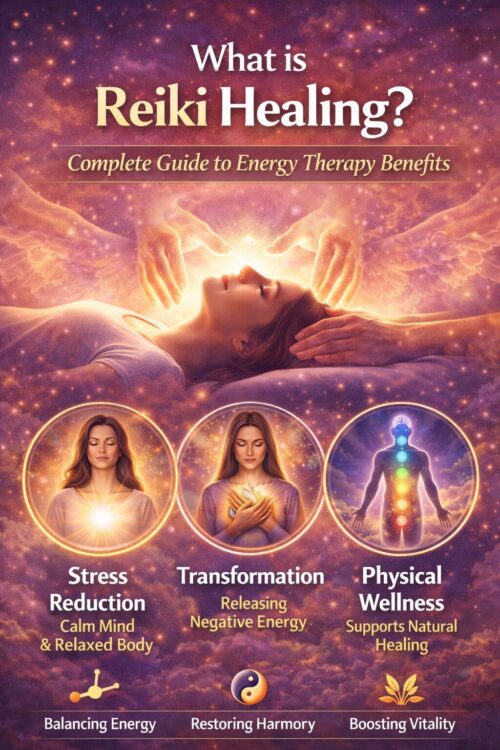
Whether your goal is greater emotional balance, relief from daily tension, or a deeper connection with yourself, Reiki offers a peaceful path toward overall wellness. By combining relaxation, mindfulness, and self-reflection, it can become a meaningful part of a balanced and healthy lifestyle.