The Compassion Economy: How Simple Acts of Kindness Drive Trust, Confidence, and Global Wellbeing
Introduction: The Ripple Effect of Human Connection
In a world that often emphasizes individual success, the act of helping people in need remains one of the most powerful forces for positive change. It’s not just about grand gestures; even the smallest acts of kindness create a ripple effect, fostering happier communities and strengthening personal character. Learning why and how to help others—and how to receive help—is essential for building a fulfilling life.
This comprehensive article explores the psychology behind helping, detailing how empathy drives action, how small gestures lead to big impact and personal growth, why asking for and expressing gratitude is crucial, and how these actions fundamentally build trust and create a kinder world.
1. Empathy: The Foundation of Meaningful Assistance
Understanding the emotional landscape of a person in need is the first and most critical step toward offering effective support.
Understanding Vulnerability and Need
When people are struggling—whether they’re physically unable to move due to an injury or simply overwhelmed by a homework assignment—they are in a state of vulnerability. In these moments, having someone genuinely consider their feelings and offer support is incredibly reassuring. It’s crucial to put yourself in their shoes: when you are in trouble, a helping hand is invaluable. Being empathetic by acknowledging their struggle before offering aid makes a significant difference in their emotional well-being.
Small Acts Yield Major Impact
Never underestimate the power of a simple action. Whether it’s walking an injured friend to the nurse’s office or taking a moment to explain a difficult concept to a classmate, these simple actions are major support systems when someone is struggling. These small gestures not only alleviate the immediate problem but also offer emotional validation and hope, creating a far more positive and enjoyable environment for everyone involved.
The Dual Joy of Helping
Lending a hand creates a powerful cycle of happiness. The joy experienced by the person being helped is mirrored by the helper. This reciprocal feeling reinforces the positive behavior and contributes directly to your own mental well-being and sense of connection, proving that helping others is a self-rewarding act.
2. Personal Growth: Building Confidence and Knowledge
Engaging in acts of service is not just about the recipient; it offers profound opportunities for the helper to grow intellectually, emotionally, and personally.
Boosting Confidence and Self-Worth
Helping people in need is a valuable catalyst for personal growth. When you effectively assist someone, you reinforce your own sense of capability, which in turn boosts your self-confidence. Realizing that you possess the skills and empathy to make a tangible difference in someone’s life reinforces your sense of self-worth. This newfound confidence naturally encourages you to take on new challenges and pursue further personal development.
Learning Through Teaching and Service
Assisting others often provides unexpected learning opportunities. For example, helping a friend with their homework may force you to review the material, deepening your own understanding of the subject. These moments of service are chances to learn new things and solve problems you might not have otherwise encountered, enhancing your problem-solving skills and general knowledge base.
3. The Trust Economy: Strengthening Relationships and Networks
Helping others is the most effective way to build genuine trust, which is the foundational element for all strong, supportive personal and professional relationships.
The Fast Track to Trust
When you consistently assist someone, you earn their trust and respect. This active demonstration of support and reliability is the cornerstone of building lasting relationships. Gaining trust from others allows you to develop deeper, stronger friendships and build a resilient, supportive social network—an essential resource in all facets of life.
The Courage of Reaching Out
The “trust economy” is a two-way street. It is equally important to possess the courage to ask for help when you need it. Reaching out for assistance is a sign of strength and self-awareness, not weakness. When you allow someone else to help you, you give them the chance to demonstrate their care, further strengthening the relationship.
Gratitude Amplifies Connection
Always remember to complete the cycle by expressing gratitude. Whenever someone helps you, a sincere “thank you” validates their efforts and acknowledges the relationship. Spreading kindness and appreciation encourages others to pay it forward, amplifying the positive feedback loop and reinforcing the entire supportive network.
4. Creating a Compassionate Global Cycle
The impact of helping extends far beyond the immediate interaction, creating a virtuous, self-perpetuating cycle of kindness that transforms society.
The Cycle of Kindness
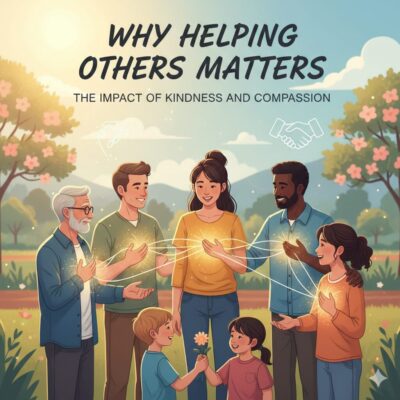
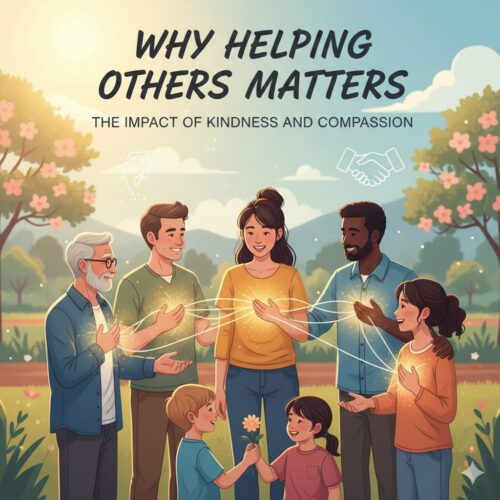
Helping others inherently makes the world a kinder and more compassionate place. When you offer support, the recipient is significantly more likely to pay it forward and assist someone else. This creates a powerful, self-sustaining cycle of kindness that increases the overall level of compassion and empathy in your community and beyond.
Elevating Community Wellbeing
By consistently helping those in need, you contribute to a better, more enjoyable world for everyone. These actions collectively warm hearts, reduce societal friction, and build a cohesive community where individuals feel valued and supported. Your small acts of support have a massive, compounding positive impact on global well-being.
Summary: Invest in Kindness, Reap Personal Fulfillment
Incorporating small, intentional acts of kindness into your life is a powerful investment that yields both personal fulfillment and a more compassionate world. By prioritizing empathy, offering simple but meaningful assistance, and practicing the courage to ask for and express gratitude, you not only grow your self-confidence and personal knowledge but also build unbreakable trust in your relationships. Embrace the cycle of kindness today to experience a life of deeper purpose and contribute to a significantly happier, more supportive global community.